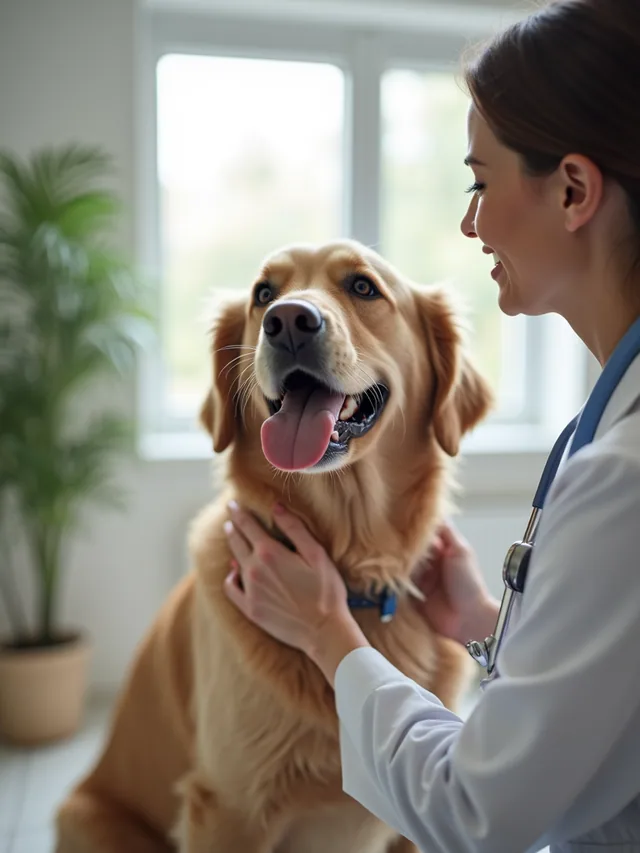




Every fall, the house that was full all summer suddenly empties by 8 a.m. For a lot of dogs, and some cats, that shift is jarring. Separation anxiety often spikes when kids head back to school and routines change overnight. At Gregory Veterinary Clinic in Carrollwood, we see the aftermath across the Tampa area every September: chewed doors, accidents, and worried owners. Most of it is manageable with the right plan.
What separation anxiety actually looks like
Separation anxiety is more than a pet missing you. It is real distress that starts the moment they are left alone. The signs usually appear within the first 30 minutes after you leave:
Barking, howling, or whining that does not stop
Destructive chewing, especially around doors and windows
Accidents in a house-trained pet
Pacing, drooling, or trying to escape
Over-the-top greetings when you return
One or two of these once in a while is normal. A consistent pattern is not, and it is worth addressing before it gets worse.
Ease the transition before it starts
You can soften the change instead of letting it hit all at once. The ASPCA recommends gradual desensitization, and these steps put it into practice:
Start the new routine 2 weeks early, so the quiet does not arrive suddenly
Take a brisk 20 to 30 minute walk before you leave, since a tired pet rests more easily
Leave a puzzle feeder or a long-lasting chew that only appears when you go
Keep departures and arrivals calm, with no big goodbyes
Practice short absences of 5 to 10 minutes, then build up the time slowly
The goal is to teach your pet that alone time is boring and safe, not scary.
What to do when it is more serious
Some pets cannot be eased through it with home steps alone. If your pet hurts themselves, breaks out of crates, or panics the moment you reach for your keys, that is severe anxiety, and willpower will not fix it. It is a medical issue, and we can help. Options include a structured behavior plan, and in some cases anti-anxiety medication alongside training. The AVMA recognizes separation anxiety as a treatable behavioral condition, not a discipline problem. We start with a behavior consultation to rule out medical causes and build a plan for your specific pet. You can see it on our clinic services page.
When to call us
Reach out to Gregory Veterinary Clinic if:
Your pet injures themselves trying to escape
Home steps have not helped after 3 to 4 weeks
The anxiety is getting worse, not better
Your pet stops eating or has accidents daily
The sooner we start, the faster your pet settles. Early help also stops the habits from hardening. Request an appointment whenever you are ready.
Frequently asked questions
Is separation anxiety only a dog problem?
No. Cats show it too, often more quietly, through hiding, over-grooming, or house-soiling when left alone. The same calm-transition steps help both.
Will getting a second pet fix it?
Rarely. Separation anxiety is usually about your absence, not loneliness, so a second pet often just means two anxious pets. A behavior plan is the reliable fix.
Does anti-anxiety medication mean sedating my pet?
No. Used correctly, it lowers the panic enough for training to work, without dulling your pet. We monitor closely and adjust, and many pets taper off over time.
If the back-to-school quiet is hard on your pet, you do not have to wait it out. Call Gregory Veterinary Clinic in Carrollwood at (813) 592-7339 or request an appointment for a behavior consultation.