



Pet Wellness Checkup in Tampa Bay: What to Expect During Your Pet's Wellness Exam
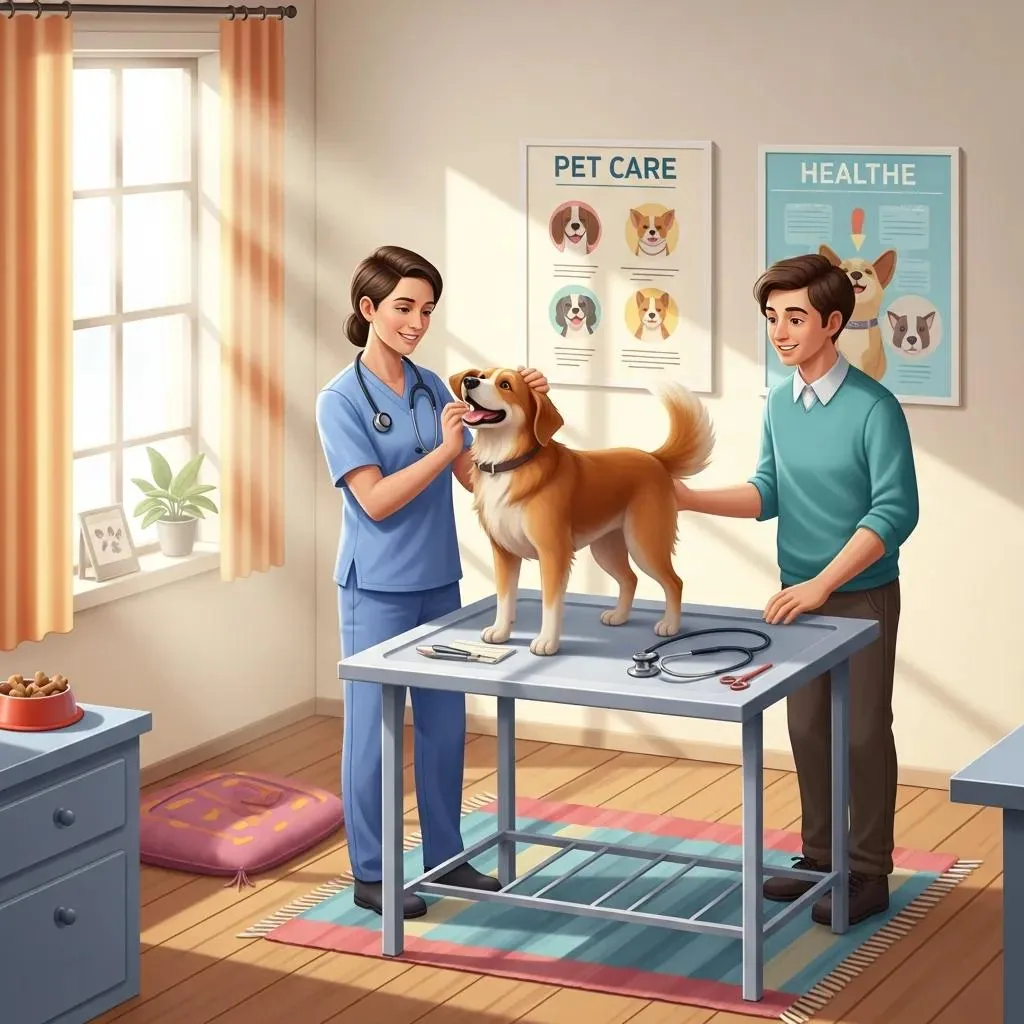
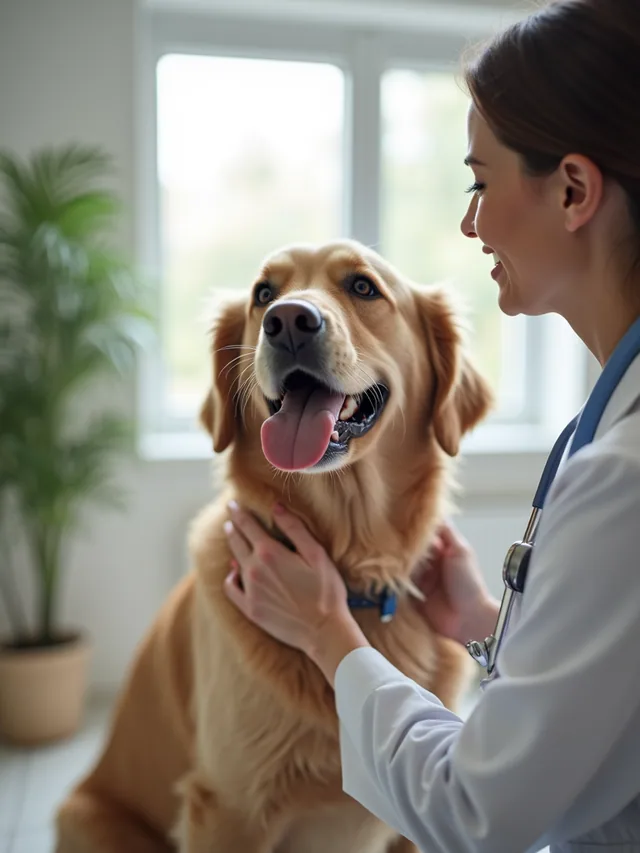
A pet wellness exam is a core element of preventive veterinary care. At the visit, the veterinary team evaluates overall health, screens for early problems, and outlines prevention tailored to your animal. Below you'll find the typical procedures, clinical benefits, and practical steps to prepare for a visit at Gregory Veterinary Clinic in Carrollwood, Tampa Bay.
Procedures Involved
Standard wellness exams focus on a physical assessment, vaccine review and administration, nutrition, preventive-care planning, and a dental check. Each component helps detect issues early and supports long-term health.
Overall Health Assessment
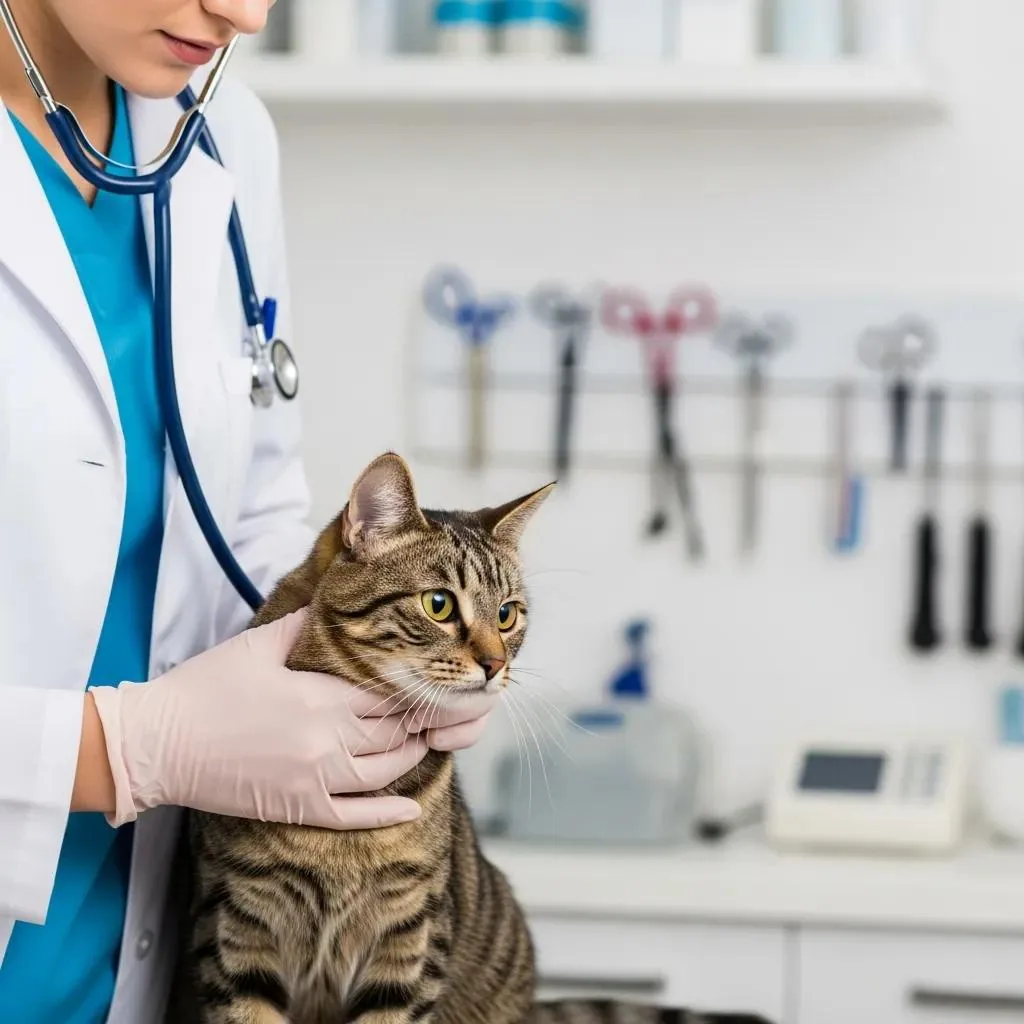
The clinician performs a systematic physical exam and records vital signs, body condition, coat and skin status, mucous membranes, and mobility. These findings guide whether further diagnostics or treatment are needed.
Vaccinations
Vaccine needs are reviewed and updated as appropriate. Core vaccines protect against common, serious diseases; non-core vaccines are advised based on risk and lifestyle. Keeping your pet's vaccination schedule current protects both the animal and the community.
Nutritional Advice
The clinician will assess caloric needs and nutrient balance for age, weight, and activity, then recommend an individualized feeding plan. Proper nutrition reduces obesity risk and supports overall health.
Preventive Care Strategies
Discussions cover exercise, weight management, parasite control, and recommended laboratory or imaging screens. A prevention-focused plan reduces the chance of advanced disease and improves long-term outcomes.
Dental Check
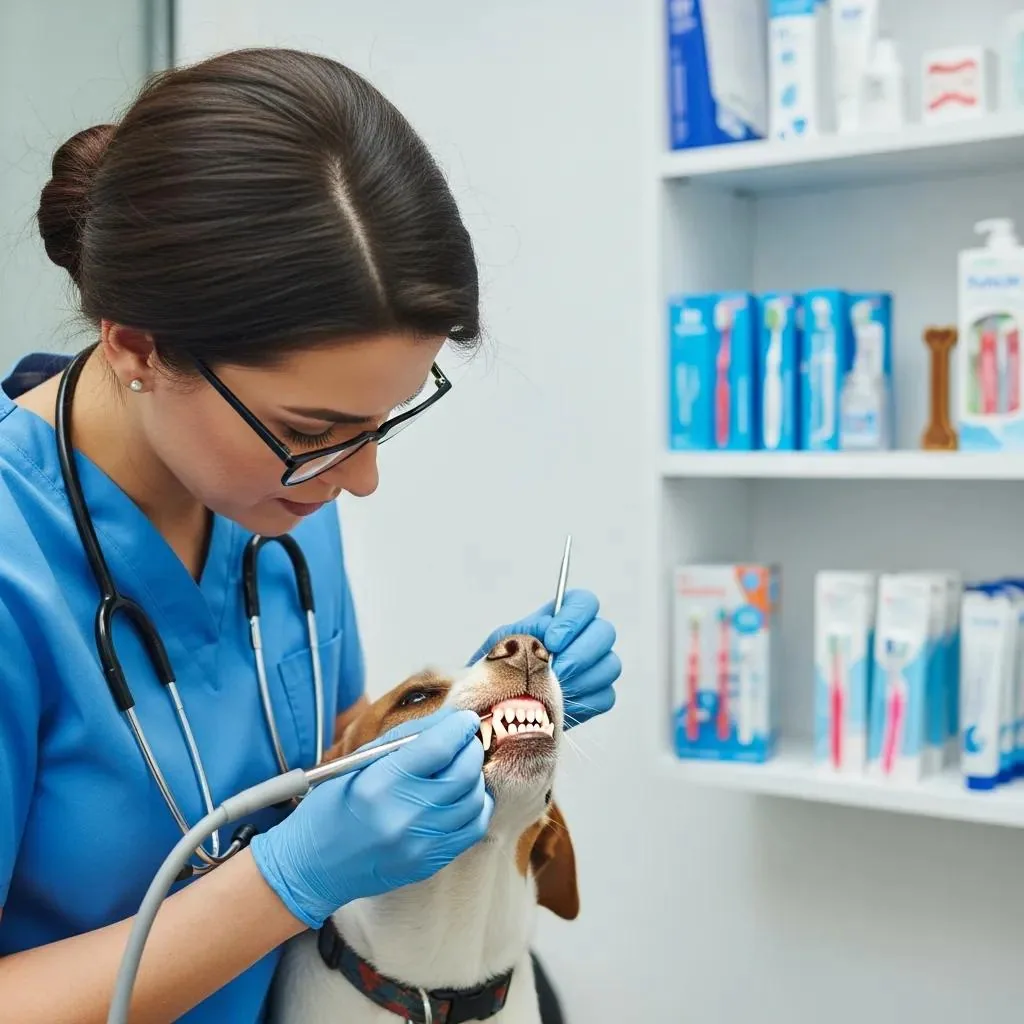
Dental evaluation screens for tartar, gingivitis, loose or fractured teeth, and other oral disease that can affect systemic health. Recommendations may include home oral care or professional cleaning when indicated.
Benefits of the Exam
Routine wellness exams enable earlier detection of problems, support better health outcomes, and allow the development of personalized wellness plans. Regular monitoring is linked to longer, better-quality lives for pets.
Advances in monitoring technology further support early detection by enabling proactive health surveillance for pets.
Proactive Pet Health Monitoring & Early Risk Prevention Ani-Max is described as an intelligent mobile platform designed to support proactive health monitoring and early risk prevention in cats and dogs by integrating wearable vital-sign sensing with environmental risk analysis. Because animals cannot verbalise discomfort, early indicators of conditions such as dehydration or heat stress may be missed until they are advanced. The system continuously monitors physiological and environmental parameters, including heart rate, blood pressure, activity level, ambient temperature, and humidity. Artificial intelligence methods are applied to establish individualised health baselines and detect abnormal deviations in real time. Implementation challenges reported include maintaining sensor accuracy during movement, ensuring reliable environmental data acquisition, and optimising battery efficiency for continuous monitoring. Experimental evaluation reported reliable system performance under resting conditions. Real-Time Pet Health Monitoring and Early Risk Preventation Using an AI-Enhanced Mobile System with Environmental and Vital Sign Analysis, 2026
| Benefit | Description |
|---|---|
| Early Detection of Health Issues | Regular exams help identify potential health problems before they become serious. |
| Improved Overall Health | Consistent checkups contribute to better health outcomes and quality of life. |
| Tailored Wellness Plans | Personalized care plans ensure your pet receives the best preventive care. |
Scheduling routine exams at Gregory Veterinary Clinic supports continuous health surveillance; the clinic emphasises early identification and timely management of concerns.
Tips for Ensuring a Smooth Visit
Simple preparation reduces stress and speeds clinical work. The points below help make the appointment productive.
- Prepare Medical History: Bring vaccination records and any prior medical documents.
- List Questions or Concerns: Note behaviours, appetite changes, or specific questions to review with the veterinarian.
- Monitor Pet's Behavior: Observe recent behaviour changes to share during the visit.
What Are the Key Components of a Routine Pet Wellness Exam?
Key elements are a focused physical exam, vaccination review and administration, and a preventive-care consultation addressing nutrition, exercise, and any recommended screening tests.
- Physical Examination: Check body condition, coat, and overall appearance.
- Vaccinations: Administer vaccines appropriate to the pet's risk profile.
- Preventive Care Discussion: Cover nutrition, exercise, and other prevention strategies.
How Is the Physical Examination Conducted for Dogs and Cats?
The exam records vital signs (heart rate, temperature) and inspects the skin, lymph nodes, abdomen, musculoskeletal function, and oral cavity to form a clinical picture and recommend next steps.
Which Vaccinations and Health Screenings Are Included?
Vaccination and screening choices depend on age, lifestyle, and history. Common core vaccines include rabies, distemper, and parvovirus; additional vaccines and tests are selected by exposure risk.
How Should You Prepare Your Pet for a Wellness Exam in Carrollwood Tampa Bay?
Gather medical records, prepare questions, and confirm appointment time and transport arrangements to ensure a timely visit.
- Gather Medical Records: Bring vaccination and medical history.
- Write Down Questions: Prepare topics to discuss.
- Schedule the Appointment: Choose a convenient time with allowance for travel.
What Are the Best Practices to Ensure a Smooth Veterinary Visit?
Arrive with time to check in, ask for cost estimates if desired, and transport your pet securely to reduce anxiety and maintain safety.
- Arrive Early: Allows time for check-in and reduces stress.
- Ask for an Estimate: Request cost estimates to avoid surprises.
- Prepare Your Pet: Use a secure carrier or leash to keep your pet calm and safe.
How Can Owners Help Reduce Pet Stress During the Exam?
Reducing stress supports a more accurate exam. Stay calm, use familiar items or approved calming aids, and remain near your pet when appropriate.
- Create a Calm Environment: Speak softly and reassuringly.
- Use Calming Techniques: Try sprays or treats if they help.
- Stay Close and Communicate: Your presence can comfort your pet.
Why Are Dental Health Checks Essential During Your Pet's Wellness Exam?
Oral disease can cause local infection and systemic effects. Regular dental checks allow early intervention and can prevent more invasive treatments later.
What Does a Comprehensive Dental Assessment Involve?
Clinicians inspect teeth and gums for tartar, gingivitis, broken or loose teeth, and other pathology, then recommend cleaning or home care as needed.
How Does Dental Care Contribute to Overall Preventative Health?
Routine dental care lowers infection risk and systemic complications, supporting long-term health and potentially reducing future treatment expenses.
What Are the Benefits of Routine Pet Health Screenings at Gregory Veterinary Clinic?
Screenings at Gregory Veterinary Clinic emphasize early detection and preventive strategies to manage health proactively and maintain quality of life.
- Early Detection of Health Issues: Identifies problems before they escalate.
- Preventive Care Emphasis: Focused on measures that reduce disease risk.
How Do Wellness Exams Detect Early Health Issues?
Exams combine clinical evaluation with diagnostic testing when indicated, so deviations from normal are identified early and treated promptly.
What Personalized Care Plans Does the Clinic Offer for Long-Term Pet Health?
Gregory Veterinary Clinic creates individualized plans that typically include nutrition and activity guidance, preventive therapeutics, and monitoring strategies tailored to each patient.
Frequently Asked Questions
What should I expect during my pet's first wellness exam?
The first visit establishes a baseline: a full physical exam, vitals, and medical history review. The veterinarian will discuss vaccines, diet, and prevention and answer your questions.
How often should I schedule wellness exams for my pet?
Healthy adults typically need annual exams; puppies, kittens, seniors, or chronically ill pets may need checks every six months or as advised by the veterinarian.
What should I bring to my pet's wellness exam?
Bring vaccination records, prior test results, and a brief list of observations or questions about behaviour, appetite, or activity.
Are there any specific preparations I should make before the exam?
Ensure secure transport and bring familiar items if they calm your pet. Follow any test-specific instructions (for example, fasting) provided by the clinic.
What are the signs that my pet may need to see a veterinarian outside of regular exams?
Seek prompt care for marked changes such as reduced appetite, excessive thirst, lethargy, persistent vomiting or diarrhea, new lumps, skin lesions, or oral pain.
How can I maintain my pet's health between wellness exams?
Provide a balanced diet, regular exercise, dental hygiene, up-to-date vaccinations and parasite prevention, weight monitoring, and mental stimulation.
What should I do if my pet has a chronic health condition?
Work with your veterinarian to follow a tailored management plan, attend scheduled rechecks, monitor signs, and report changes promptly.
Conclusion
Regular wellness exams are central to preventive care: they enable early detection and the creation of tailored plans that support long-term health. Schedule your pet's wellness exam at Gregory Veterinary Clinic to establish a proactive health strategy and keep your companion healthy.