



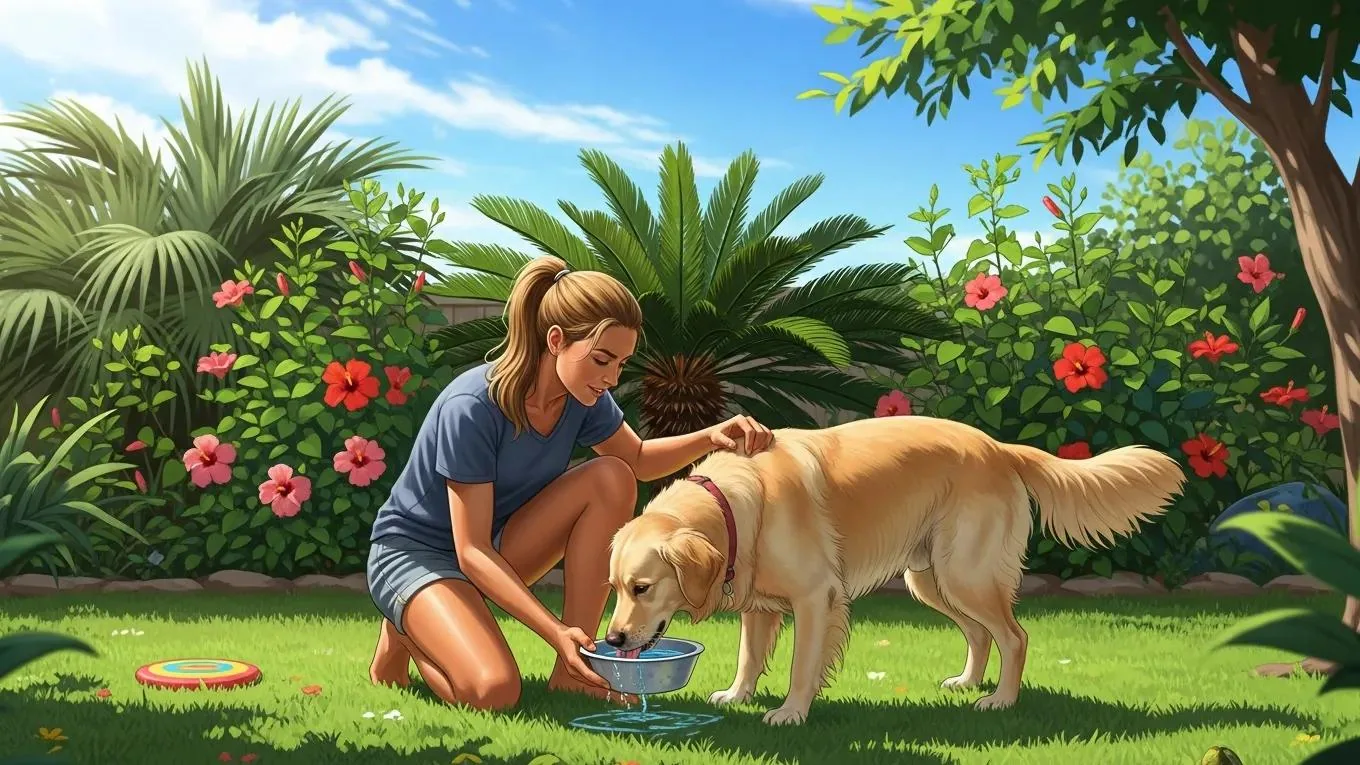
As the summer heat intensifies in Florida, pet owners in Carrollwood must be vigilant about the hidden dangers that can threaten their furry companions. The sweltering temperatures can lead to serious health risks, including heat stroke and dehydration, but there are also less obvious hazards lurking in backyards. This article will explore seven hidden dangers that pets may encounter during the hot summer months, providing essential tips for keeping them safe. By understanding these risks, pet owners can take proactive measures to protect their beloved animals from harm.
In this guide, we will cover the top summer heat risks for pets, effective hydration and shade strategies, and the hidden toxic wildlife dangers in Carrollwood backyards. Additionally, we will discuss when to seek emergency veterinary care for heat-related illnesses and the critical signs of heat stroke in dogs and cats. Finally, we will highlight how Gregory Veterinary Clinic can assist in ensuring your pets remain healthy and safe during the summer heat.
What Are the Top Summer Heat Risks for Pets in Carrollwood?
During the hot summer months, pets face several risks that can jeopardize their health. Understanding these dangers is crucial for pet owners to take preventive measures. Here are the top summer heat risks for pets in Carrollwood:
Heat Stroke: Pets can quickly overheat, leading to heat stroke, which can be fatal if not treated promptly.
Dehydration: Insufficient water intake can lead to dehydration, causing serious health issues.
Burns from Hot Surfaces: Pavement and sand can become extremely hot, leading to burns on pets' paw pads.
Recognizing these risks allows pet owners to take necessary precautions, such as providing ample water and avoiding walks during peak heat hours.
How Can Pet Owners Prevent Heat Stroke and Dehydration in Tampa Pets?
Preventing heat-related illnesses in pets requires proactive measures. Here are some effective strategies for pet owners in Tampa:
Provide Constant Access to Water: Ensure your pets have fresh, clean water available at all times to prevent dehydration.
Avoid Midday Walks: Schedule walks during the cooler parts of the day, such as early morning or late evening, to minimize heat exposure.
Create a Cool Environment: Use fans or air conditioning to keep your home cool, and provide shaded areas in your yard for outdoor pets.
By implementing these strategies, pet owners can significantly reduce the risk of heat stroke and dehydration in their pets. For additional support, Gregory Veterinary Clinic offers resources and services to help keep your pets healthy during the summer months.
What Are Effective Hydration and Shade Strategies for Pets?
Keeping pets hydrated and cool is essential during the hot summer months. Here are some effective hydration and shade strategies:
Hydration Methods: Use pet-friendly water fountains to encourage drinking, or add ice cubes to their water bowl for a refreshing treat.
Shade Provisions: Create shaded areas in your yard using umbrellas, canopies, or trees to provide relief from the sun.
Monitoring Pet Behavior: Keep an eye on your pets for signs of overheating, such as excessive panting or lethargy, and take action immediately.
Implementing these strategies can help ensure that pets remain comfortable and safe during the summer heat.
Effective Hydration Strategies
Different hydration methods can enhance your pet's water intake. Here's a comparison of various hydration strategies:
| Hydration Method | Description | Benefits |
|---|---|---|
| Water Bowls | Standard bowls filled with fresh water | Easy access for pets |
| Water Fountains | Continuous flow of water | Encourages pets to drink more |
| Ice Cubes | Frozen water added to bowls | Provides a cool treat |
These hydration strategies can help keep your pets well-hydrated and healthy throughout the summer.
Further research emphasizes the critical role of proper hydration in preventing serious heat-related conditions in dogs.
Hydration strategy but highly related to dog specific dehydration, collapse, heat stress, and even heat stroke. The risk of death in military working dogs is heat stroke. Evaluation of three hydration strategies in detection dogs working in a hot environment, E Hare, 2017
What Are the Hidden Toxic Wildlife Dangers in Carrollwood Backyards?
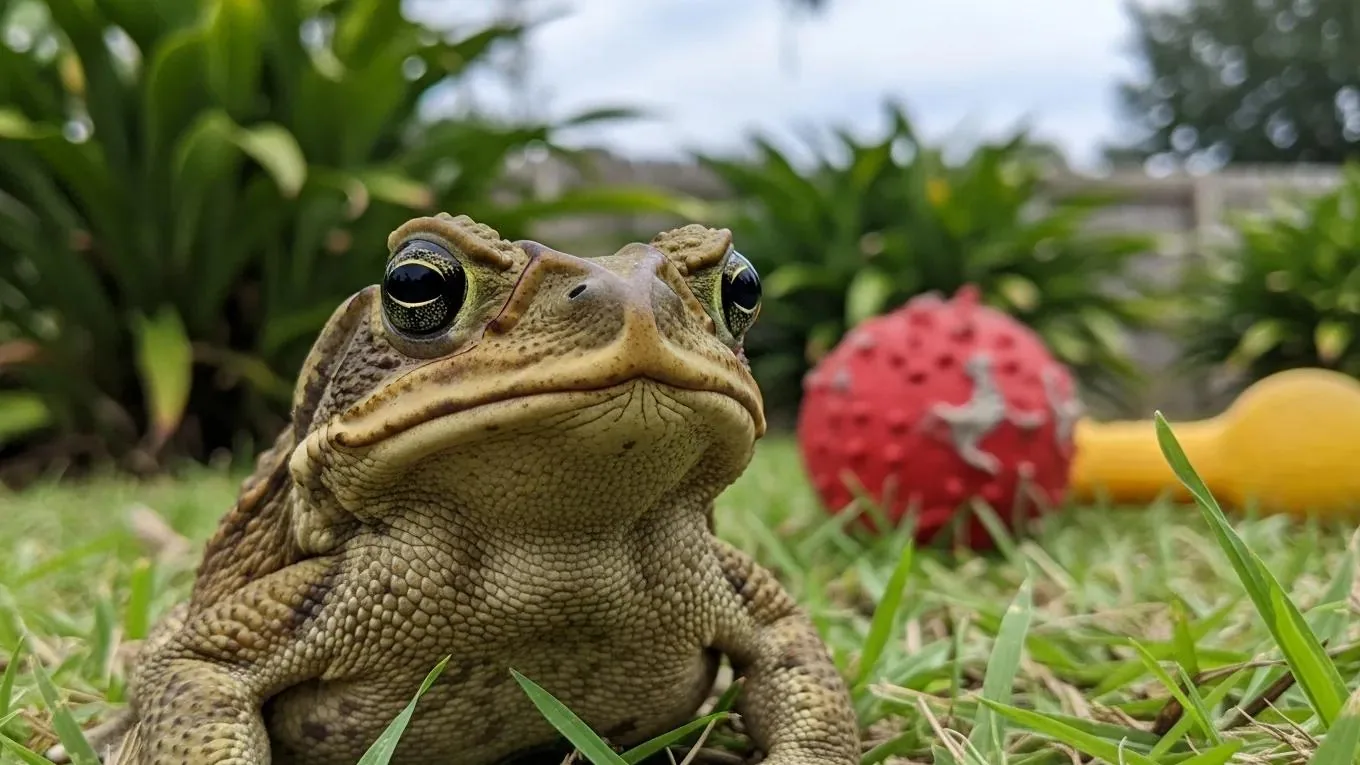
In addition to heat-related risks, pets in Carrollwood may encounter toxic wildlife in their backyards. Understanding these dangers is vital for pet safety. Some common wildlife hazards include:
Bufo Toads: These toads secrete toxins that can be fatal to pets if ingested.
Snakes: Certain snake species can pose a threat through bites, which may require immediate veterinary attention.
Insects: Stinging insects like bees and wasps can cause allergic reactions in pets.
Being aware of these hidden dangers can help pet owners take preventive measures to protect their pets.
Why Are Bufo Toads Poisonous to Pets in Florida?
Bufo toads, also known as cane toads, are particularly dangerous due to the toxic secretions they produce. These secretions can cause severe reactions in pets, including:
Toxic Compounds: The toads secrete bufotenin, which can lead to cardiac arrest in pets.
Symptoms of Poisoning: Signs of bufo toad poisoning include excessive drooling, vomiting, and seizures.
Indeed, studies confirm the severe and often fatal consequences of bufo toad exposure for canine companions.
Florida Bufo toads are highly toxic, and the diagnosis of toad intoxication on the basis of history and clinical signs. Bufo marinus intoxication in dogs: 94 cases (1997–1998), 1997
If a pet is suspected of ingesting a bufo toad, immediate veterinary care is crucial to prevent serious health consequences.
How to Recognize and Respond to Bufo Toad Poisoning Symptoms?
Recognizing the symptoms of bufo toad poisoning is essential for prompt treatment. Key signs include:
Excessive Drooling: A sudden increase in drooling can indicate poisoning.
Vomiting: Pets may vomit shortly after exposure to the toxin.
Seizures: Severe cases can lead to seizures or loss of consciousness.
If you observe any of these symptoms, contact a veterinarian immediately for guidance on the next steps.
When Should You Seek Emergency Veterinary Care for Heat-Related Illnesses?
Recognizing when to seek emergency veterinary care for heat-related illnesses is critical for your pet's health. Key indicators include:
Critical Symptoms: Signs of heat stroke, such as rapid panting, drooling, or confusion, require immediate attention.
Temperature Thresholds: If your pet's body temperature exceeds 104°F, it is essential to seek veterinary care.
Immediate Actions: Cool your pet with water and transport them to a veterinarian as soon as possible.
Being aware of these signs can save your pet's life during a heat-related emergency.
What Are the Critical Signs of Heat Stroke in Dogs and Cats?
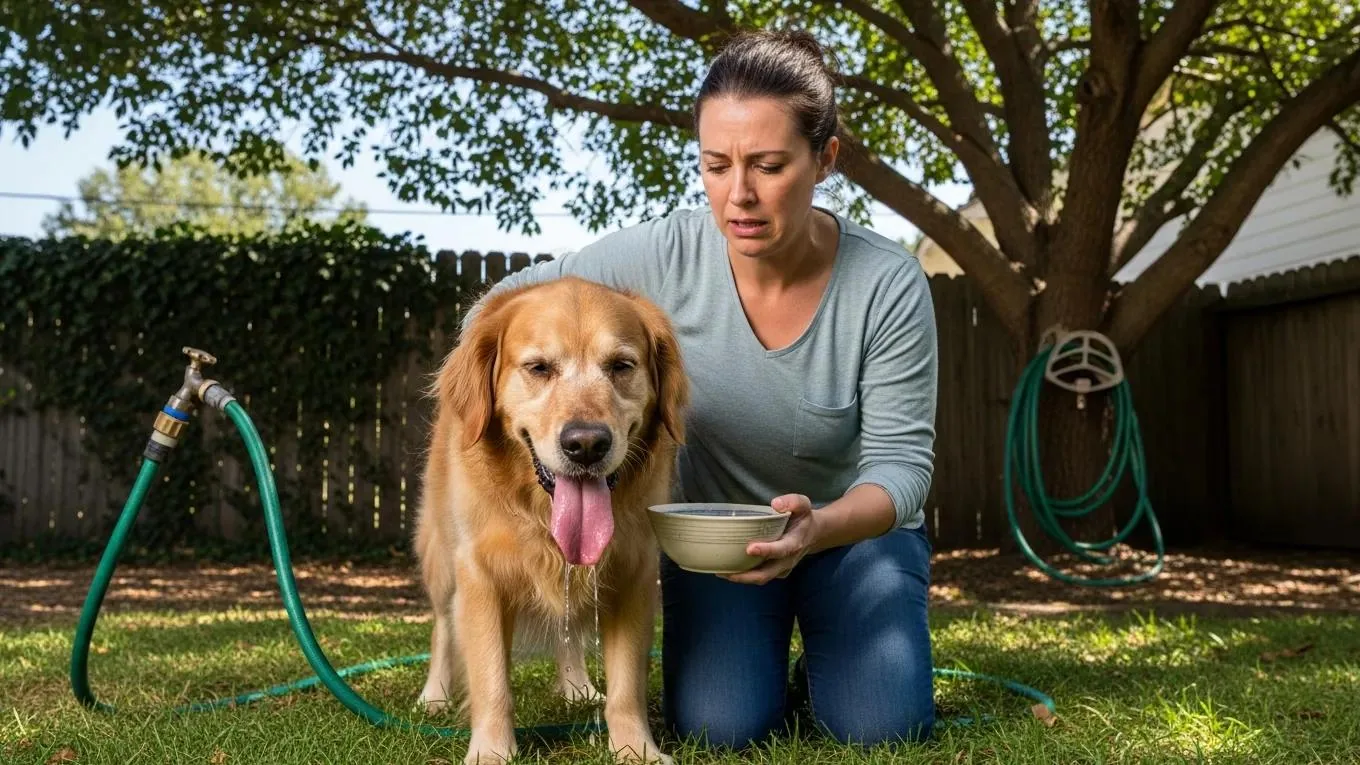
Heat stroke can be life-threatening for pets, and recognizing its signs is vital. Common symptoms include:
Excessive Panting: Rapid, heavy breathing is often the first sign of overheating.
Drooling: Increased salivation can indicate distress.
Lethargy: A sudden lack of energy or unwillingness to move can signal heat stroke.
Veterinary studies underscore the urgent and potentially fatal nature of heatstroke in dogs, highlighting the importance of immediate intervention.
Heatstroke is an acute, life-threatening emergency with a common complications in canine heatstroke. Thrombocytopenia, commonly occur with canine heatstroke. Heatstroke in dogs: clinical signs, treatment, prognosis, and prevention, 2003
If you notice these signs, take immediate action to cool your pet and contact a veterinarian.
How Does Gregory Veterinary Clinic Provide Emergency Heat Stroke Treatment?
Gregory Veterinary Clinic is dedicated to providing comprehensive care for pets experiencing heat-related illnesses. Our emergency treatment protocols include:
Cooling Techniques: We utilize various methods to lower your pet's body temperature safely.
Hydration Support: Administering IV fluids to combat dehydration and restore electrolyte balance.
Monitoring: Continuous observation of vital signs to ensure your pet's recovery.
Our team is committed to ensuring that your pets receive the best possible care during emergencies, helping them recover swiftly and safely.