




Cat Vaccination Schedule in Tampa, FL — Your Clear, Practical Guide to Keeping Your Cat Healthy
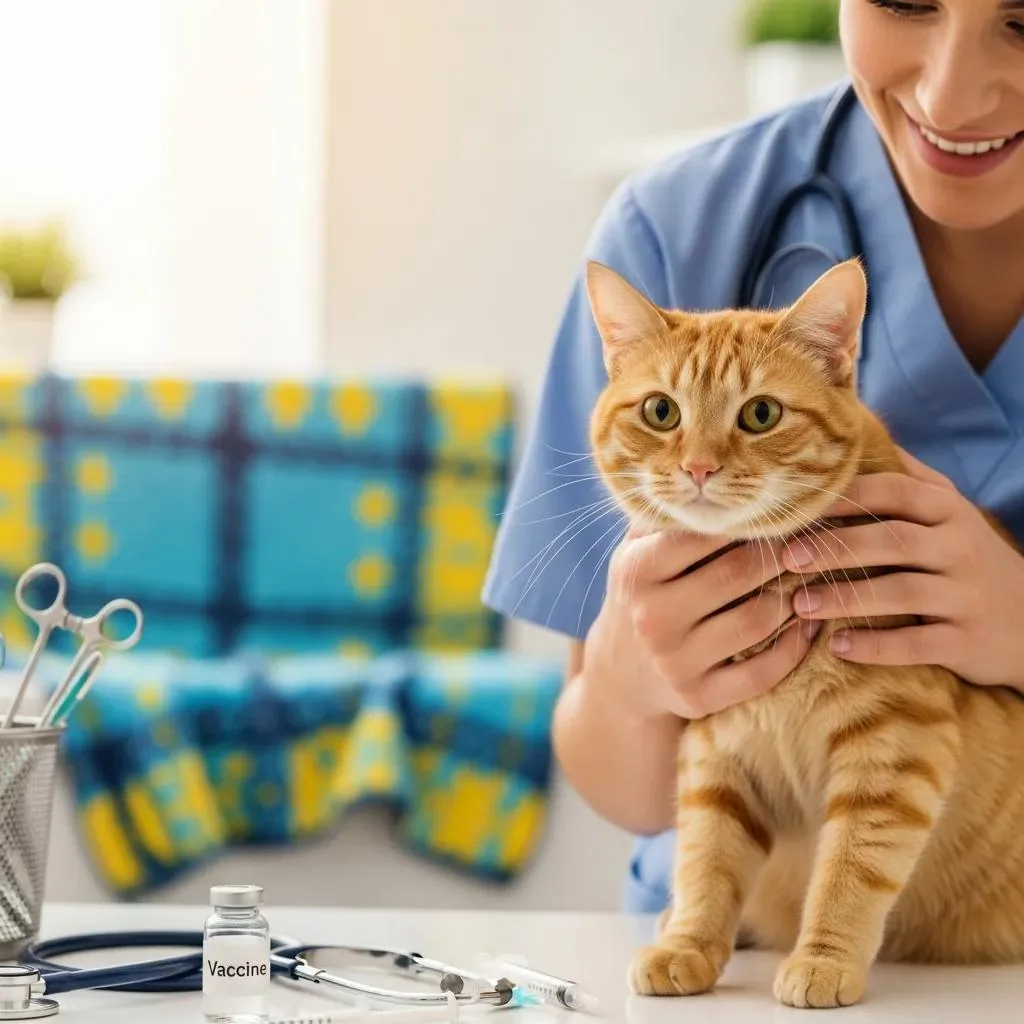
Vaccinations are one of the simplest, most effective ways to protect your cat from serious illness. This guide explains the typical vaccine schedule for kittens and adult cats in Tampa, FL, what those shots cost, and why each one matters. If the vaccination process feels confusing, you're not alone — we'll break down which vaccines are recommended, when they're given, how much you can expect to pay, and the legal requirements in Florida so you can make confident choices for your feline companion.
What Is the Recommended Kitten Vaccination Schedule in Tampa, FL?
The kitten vaccination schedule is timed to build strong immunity when kittens are most vulnerable. Most kitten vaccine series begin at about 6–8 weeks of age, with booster shots at set intervals until the series is complete. Following the schedule helps prevent several common, potentially life-threatening diseases.
Which Core Vaccines Do Kittens Need and When?
Core vaccines protect against the illnesses most likely to cause serious harm. For kittens, the core vaccines usually include:
FVRCP vaccine: First given at 6–8 weeks, then boosted every 3–4 weeks until about 16–20 weeks old. This protects against Feline Viral Rhinotracheitis, Calicivirus, and Panleukopenia.
Rabies vaccine: Given at 12–16 weeks. Rabies is fatal and vaccination protects both pets and people.
Feline Leukemia (FeLV) vaccine: Often started at 8–12 weeks for kittens, especially if they'll have outdoor access or interact with other cats.
These vaccines give your kitten the best start toward a healthy life.
How to Prepare Your Kitten for Vaccinations at Gregory Veterinary Clinic
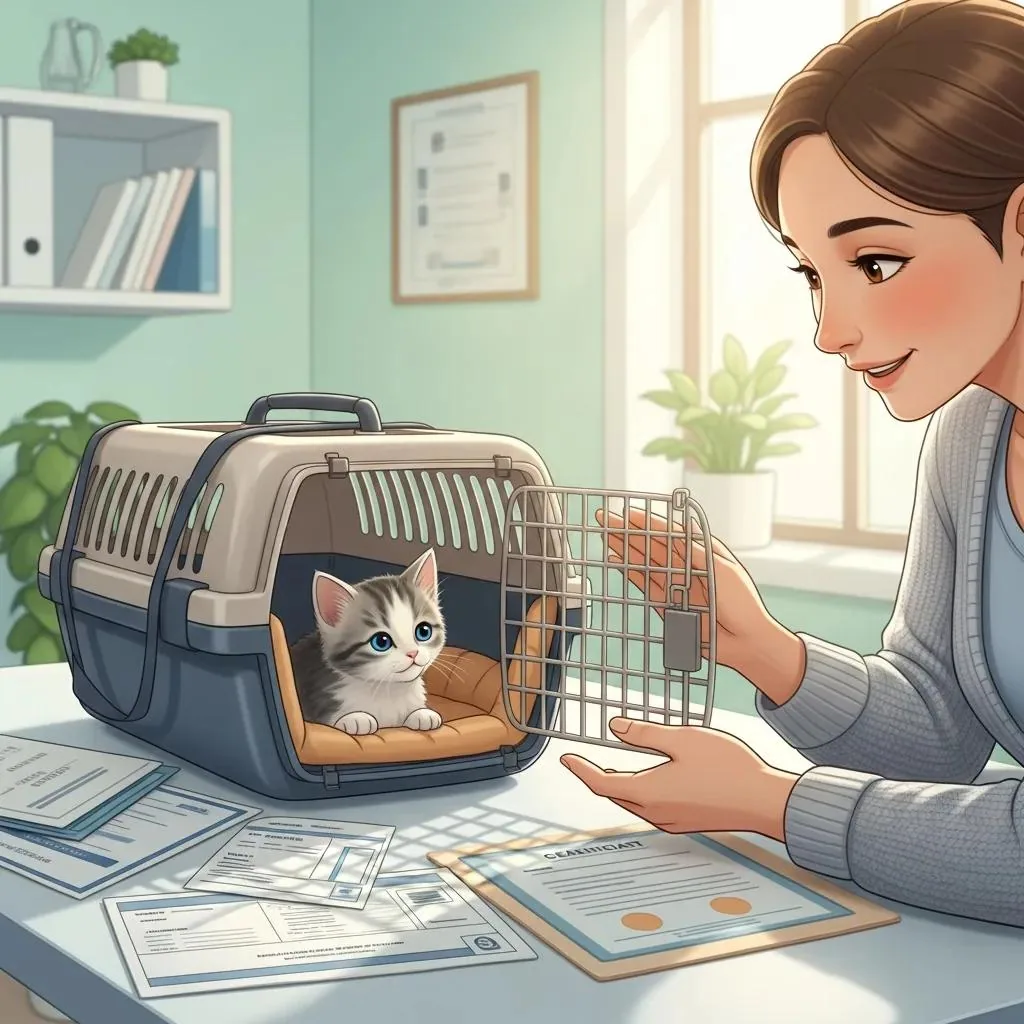
Helping your kitten stay calm and comfortable makes the visit smoother for everyone. Practical tips we recommend:
Bring health records: Bring any prior medical or vaccination notes so we can review what's already been done.
Create a calm environment: A soft blanket in a secure carrier and a quiet car ride can reduce stress.
Post-vaccine care: Keep an eye on your kitten for mild, short-lived reactions like sleepiness or slight swelling at the injection site.
Following these steps helps ensure a safer, less stressful vaccine visit.
What Shapes the Cost of Cat Vaccination in Tampa, FL?
Vaccine prices vary by clinic and by the specific vaccine used. Knowing what shapes the cost makes it easier to plan for routine care.
What Determines the Price of Individual Cat Vaccines?
Each vaccine is priced individually, and the total for a visit depends on which vaccines your cat is due for, whether an exam is part of the visit, and the clinic's own fee schedule. We are happy to walk you through what your cat needs and what the visit will include before you book.
Are There Affordable Vaccination Packages Available?
Many clinics — including Gregory Veterinary Clinic — offer bundled vaccine packages to keep care affordable. Common options include:
Basic vaccination package: Often includes FVRCP plus rabies.
Comprehensive package: May cover all core vaccines plus a wellness exam.
Bundles can be a smart way to save compared with paying for each vaccine separately.
What Are the Required Cat Vaccines by Florida Law?
Florida has rules designed to protect public health. Understanding them helps you stay compliant and keep your cat safe.
Is the Rabies Vaccine Mandatory for Cats in Tampa?
Yes. Rabies vaccination is required for cats in Florida. Kittens should receive their first rabies shot at about 12–16 weeks, with boosters every one to three years depending on the vaccine used. Not following the law can lead to fines or other consequences, and more importantly, leaves your cat and community at risk.
What Are Core vs. Non-Core Vaccines for Cats in Florida?
Core vaccines are recommended for every cat because the diseases they prevent are widespread and serious. Non-core vaccines are given based on a cat's lifestyle and exposure risk. Core vaccines include:
FVRCP
Rabies
The Feline Leukemia (FeLV) vaccine is often considered non-core by some organizations but is strongly advised for kittens and any cat that may encounter other cats, especially outdoors or in multi-cat homes. Other non-core shots — such as those for FIV or Bordetella — are based on individual risk assessments by your veterinarian.
Why Is the Feline Leukemia Vaccine Important for Cats in Tampa?
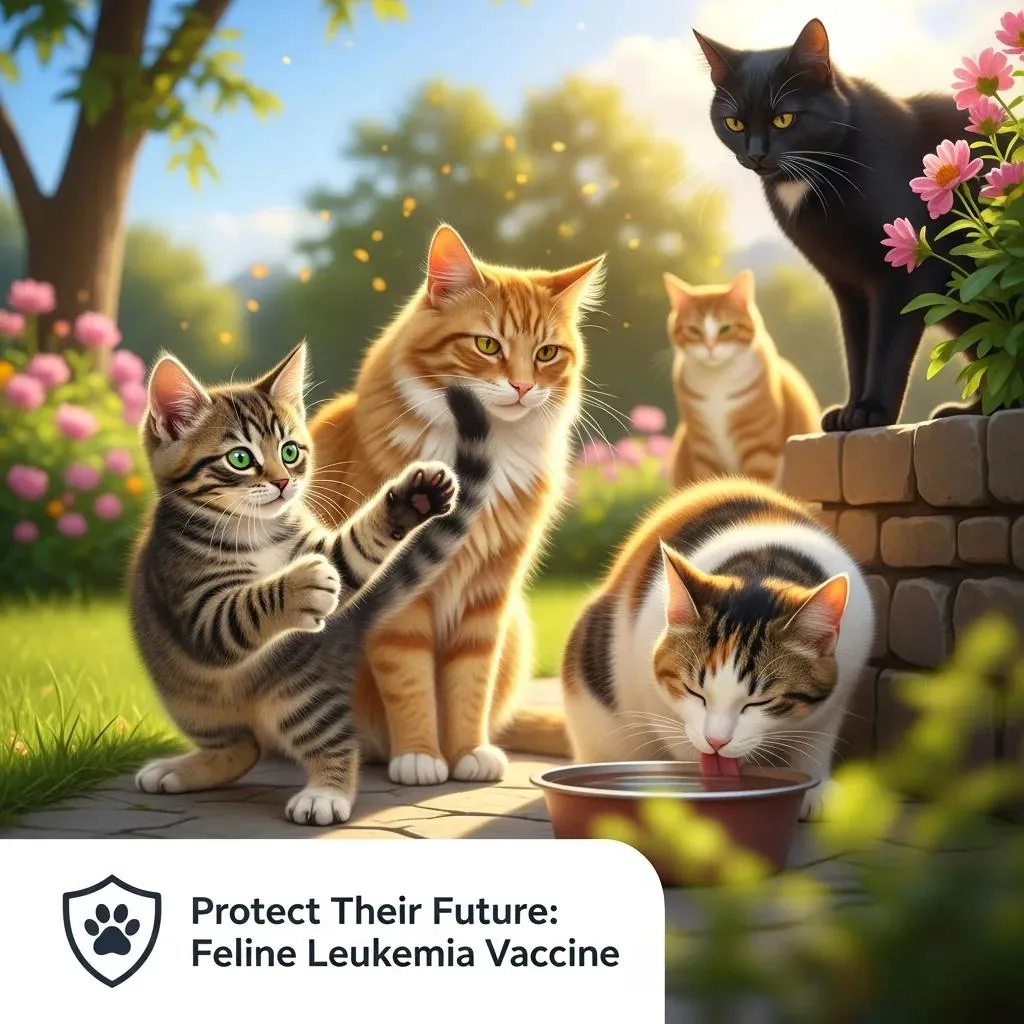
Feline Leukemia (FeLV) can cause severe health problems, including immune suppression and certain cancers. Vaccinating against FeLV significantly lowers your cat's chance of infection and the serious consequences that follow.
Who Should Get the FeLV Vaccine?
All kittens are good candidates for FeLV vaccination, and it's especially important for cats that go outdoors or live with other cats whose health status is unknown. Your veterinarian can help decide whether FeLV vaccination is right based on your cat's lifestyle.
What Are the Benefits of the Feline Leukemia Vaccine?
Key benefits of FeLV vaccination include:
Reduced risk of severe disease: Protects against a virus that can lead to long-term illness.
Better long-term health: Vaccinated cats have a higher chance of staying healthy over their lifetime.
The FeLV vaccine is a reasonable investment compared with the cost and impact of treating a preventable viral disease.
What Are Common Questions About Cat Vaccinations in Tampa, FL?
It's normal to have questions about vaccine timing, safety, and side effects. Below are answers to the questions we hear most often.
What Side Effects Can Occur After Cat Vaccinations?
Most cats tolerate vaccines well. Mild, short-lived reactions can include:
Lethargy: Your cat may sleep more than usual for a day.
Swelling: Small, soft swelling where the shot was given is common.
Low-grade fever: A slight temperature rise can happen briefly.
If you notice more severe signs — persistent vomiting, difficulty breathing, or swelling that worsens — contact your veterinarian right away.
How Often Should Adult Cats Receive Booster Shots?
Adult cats generally receive booster vaccines every one to three years, depending on the vaccine and your cat's health history. Your vet will recommend a schedule tailored to your cat and local regulations.
Frequently Asked Questions
What Should I Do If My Cat Misses a Vaccination?
If a vaccine appointment is missed, call your veterinarian as soon as possible. In many cases we can reschedule and complete the series without restarting it, but for some core vaccines your vet may advise repeating part of the series. Prompt communication keeps your cat protected.
Can Indoor Cats Skip Vaccinations?
Indoor cats have lower exposure to some diseases, but they still need core vaccines like FVRCP and rabies. People, other pets, or occasional outdoor access can introduce disease. Talk with your vet to set the right vaccine plan for an indoor lifestyle.
How Can I Find a Good Veterinarian for Vaccinations in Tampa?
Ask friends or neighbors for recommendations, check online reviews, and visit clinics to meet the team. Look for a practice experienced in feline care and one that explains vaccine choices clearly. Gregory Veterinary Clinic welcomes visits so you can see our approach firsthand.
What Should I Expect During My Cat's Vaccination Appointment?
We start with a brief health exam — weight, temperature, and a general check — to make sure vaccination is safe that day. Then we administer the vaccines and review any aftercare steps and potential side effects to watch for. Appointments are typically quick and focused on your cat's well-being.
Are There Any Special Considerations for Senior Cats Regarding Vaccinations?
Senior cats may need a customized vaccine plan based on overall health and immune status. While core vaccines remain important, your vet might adjust timing or test health markers first. Regular exams help determine the right approach for older cats.
What Are the Risks of Not Vaccinating My Cat?
Skipping vaccines leaves your cat vulnerable to serious diseases like rabies, FeLV, and panleukopenia — conditions that can be costly to treat and sometimes fatal. Vaccination protects your cat and helps prevent diseases that can affect other animals and people.
Conclusion
Keeping your cat up to date on vaccinations is one of the best ways to protect their health and longevity. Knowing the schedule, what shapes the cost, and the legal requirements in Tampa lets you plan care with confidence. Schedule your cat's next visit with Gregory Veterinary Clinic today.