



Affordable Pet Care in Carrollwood — How to Find Low‑Cost Vet Services and Wellness Plans

We know pet care costs are rising — and planning ahead makes a big difference. This guide walks Carrollwood pet owners through practical, affordable options: low‑cost clinics, preventive wellness plans that lower long‑term expenses, and flexible payment choices in Carrollwood and the greater Tampa area. You'll learn which routine services offer the most value, how care plans smooth annual costs, and simple steps to enroll in local programs. We cover spay/neuter and vaccination clinics, life‑stage wellness plans (puppy, adult, senior), and tips to avoid emergency bills while keeping your pet healthy. Throughout, we highlight how a family‑owned clinic blends community trust with cost‑management tools and give clear next steps for scheduling and enrollment. Read on for practical lists, comparison tables, and a step‑by‑step path to affordable pet care in Carrollwood.
What Affordable Pet Care Services Does Gregory Veterinary Clinic Offer in Carrollwood?
Affordable pet care combines preventive visits, focused procedures, and payment programs that lower the chance of costly emergencies. Preventive services — routine wellness exams, vaccinations, dental cleanings, and basic diagnostics — catch problems early and usually reduce treatment complexity and cost. In Carrollwood, many clinics bundle these services into care plans that include scheduled exams, core vaccines, and discounts on diagnostics to help families budget. Below we list common low‑cost services and explain how care plans group them for owners watching their budget.
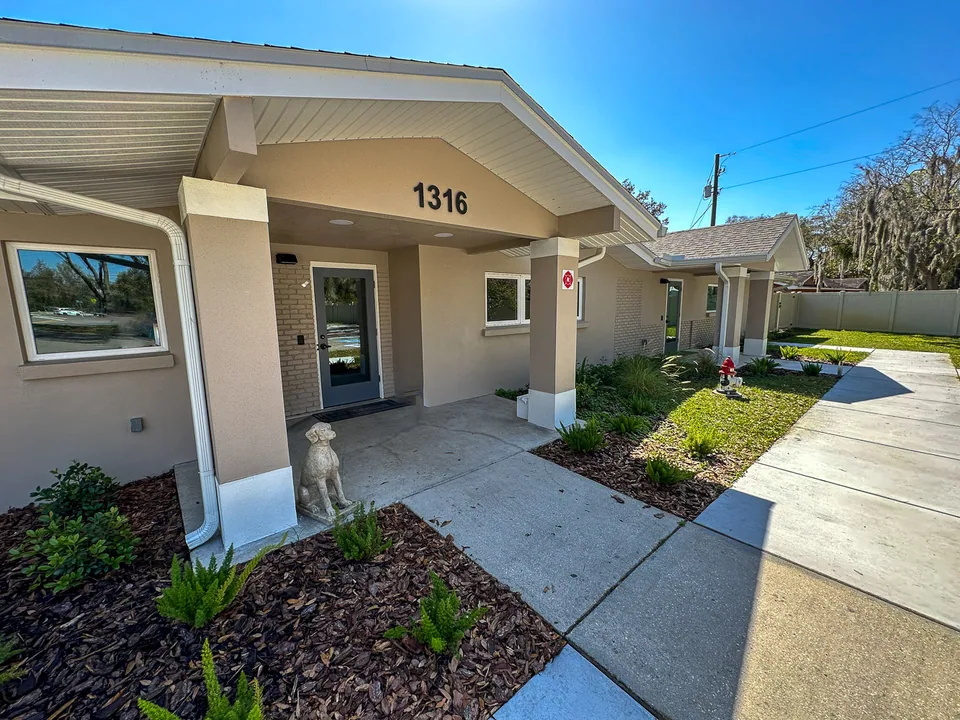
Gregory Veterinary Clinic is a family‑owned practice serving Carrollwood and greater Tampa. We offer Care Plans designed to make routine pet health more affordable and predictable. Our local, continuity‑of‑care approach groups exams, vaccines, and select diagnostics so pet families can plan ahead. If you're comparing options, the section below details available care plans and how spay/neuter and vaccinations fit into an overall affordability strategy.
Typical low‑cost services you'll find at community clinics include:
- Routine wellness exams scheduled at regular intervals to catch problems early.
- Core vaccinations that prevent common infectious diseases and reduce emergency risk.
- Spay and neuter services that lower long‑term population and health costs.
- Dental cleanings and basic diagnostics (bloodwork, X‑rays) that protect whole‑body health.
These services show how bundled offerings and targeted procedures work together to keep pets healthy and owners' expenses predictable. Next we break down the common care plans and what each includes.
Which Comprehensive Care Plans Are Available for Pets in Carrollwood?
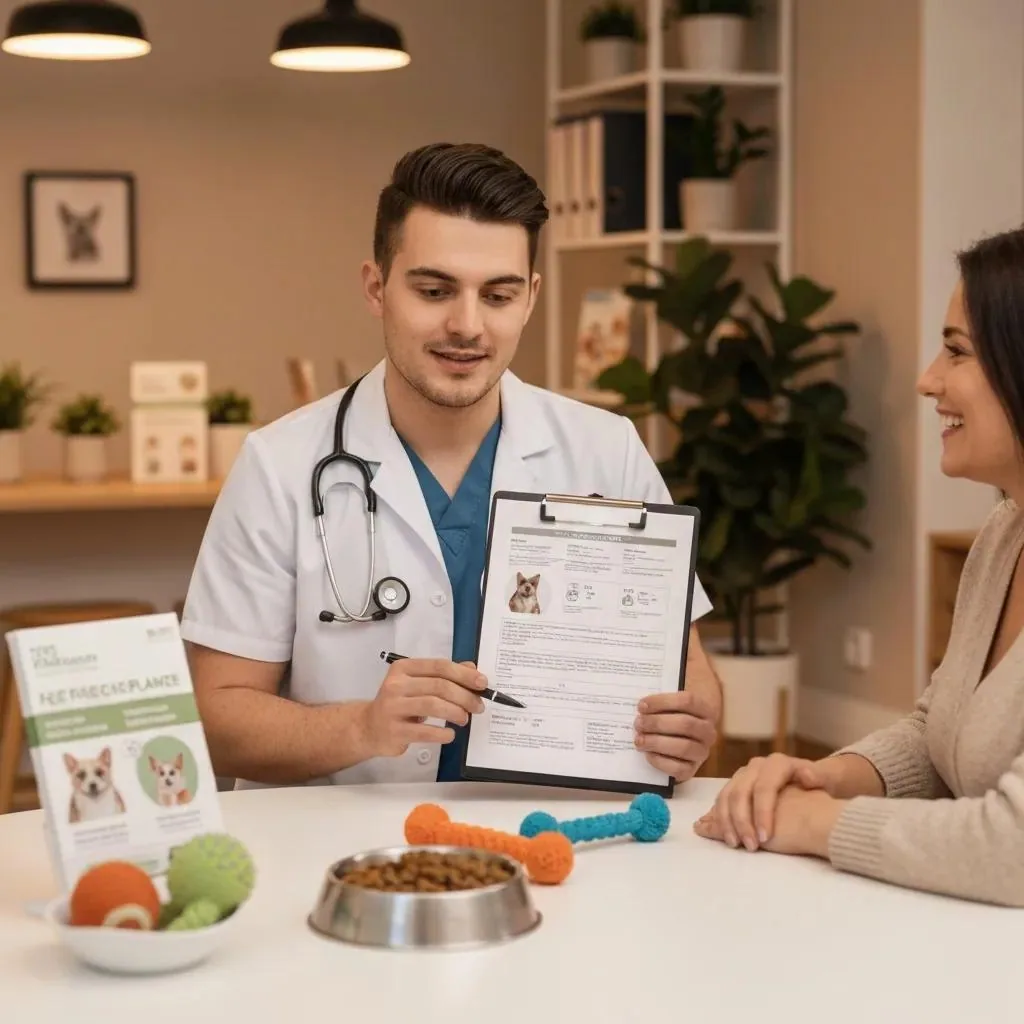
Care plans are membership‑style programs that package preventive services for convenience and predictable costs. A puppy wellness plan covers the immunization schedule, multiple exams, and development checks; an adult plan focuses on annual exams, vaccines, and discounts on dental care or basic diagnostics; a senior plan adds more frequent monitoring, senior health panels, and larger diagnostic discounts. Bundling services reduces the per‑visit cost and often includes member‑only discounts for diagnostics or surgery if needed.
| Plan Type | Core Inclusions | Best For |
|---|---|---|
| Puppy Wellness Plan | Multiple wellness exams, core vaccines, parasite checks | Young dogs in their first year |
| Adult Pet Wellness Plan | Annual exam, core vaccines, dental discount, basic diagnostics | Mature, generally healthy pets |
| Senior Pet Wellness Plan | Biannual exams, senior screening panels, diagnostic discounts | Older pets needing regular monitoring |
This comparison shows how plans are tailored by life stage and value. Choose the plan that matches your pet's expected annual needs and preventive testing schedule.
Care plans give predictable budgeting and usually lower per‑service costs compared with one‑off visits. The next section explains how spay/neuter and vaccination services are commonly offered and how they work with memberships.
What Low‑Cost Veterinary Services Are Offered: Spay, Neuter, and Vaccinations?
Spay and neuter surgeries are key low‑cost procedures that reduce future reproductive and certain health risks. Low‑cost clinics or bundled plans often include pre‑op exams and standard post‑op checks to avoid surprise expenses. Vaccination clinics offer core shots like rabies and distemper/parvo on a schedule; adding vaccines to a wellness plan usually lowers the per‑shot price and helps keep your pet on the recommended timeline.
- Spay/neuter typically includes a pre‑op exam, anesthesia, surgery, and basic post‑op care.
- Vaccination packages bundle necessary shots with exam fees for proper documentation and follow‑up.
- Bundling procedures in a wellness plan can reduce the marginal cost of each service.
Including spay/neuter and vaccinations in a broader care plan avoids fragmented care and unexpected bills, and it supports prevention that lowers emergency visits later. Next, we'll look at how wellness plans translate these preventive services into real savings over time.
How Can Pet Owners Save on Vet Bills with Wellness Plans in Carrollwood?
Wellness plans shift costs from unpredictable, high‑price emergencies to planned, lower‑cost preventive care. Routine exams, vaccinations, and periodic diagnostics catch issues early when treatments tend to be simpler and less costly than emergency interventions. Plans usually include discounts on diagnostics, dental care, and select services, which creates measurable savings when you compare normal per‑visit fees to bundled pricing. Below are the main ways wellness plans produce savings and steadier budgeting.
Wellness plans reduce spending in several predictable ways:
- Predictable monthly or annual fees smooth out big spending spikes caused by acute illness.
- Included exams and vaccines remove repeated full‑visit charges for routine care.
- Member discounts on diagnostics and procedures lower incremental costs when problems arise.
These features make it easier to plan annual pet‑care budgets and avoid high‑cost surprises. The table below compares typical expenses with and without a wellness plan to illustrate potential savings.
| Expense Area | Without a Plan (Typical Annual Cost) | With a Wellness Plan (Included/Discounted) |
|---|---|---|
| Annual exam + core vaccines | Full exam + per‑vaccine fees | Exams and core vaccines included |
| Routine bloodwork | Charged per panel | Discounted or included in senior plans |
| Dental cleaning | Full procedure fee | Member discount on dental services |
Bundling routine items into plans reduces individual line‑item costs and lowers annual spending volatility. That makes it easier to decide if a plan fits your pet's life stage and health profile.
At Gregory Veterinary Clinic, our Care Plans follow these same principles: scheduled exams, core services included, and discounts on diagnostics. Joining a plan helps Carrollwood owners avoid repeated per‑visit fees and catch disease earlier — often preventing larger emergency bills.
What Are the Benefits of Puppy, Adult, and Senior Pet Wellness Plans?
Puppy and kitten plans concentrate on the initial vaccine series, growth checks, parasite prevention, and socialization guidance — all steps that lower infectious disease risk and support good behavior. Adult plans focus on yearly preventive checks, dental options, and routine parasite control to maintain steady health. Senior plans increase monitoring with focused diagnostic panels that spot chronic conditions early, making management simpler and less costly than late‑stage treatments.
- Puppy plans establish vaccine compliance and early behavior‑health baselines.
- Adult plans keep preventive care current and include discounts that make elective care easier to afford.
- Senior plans emphasize regular monitoring to preserve quality of life and reduce sudden crises.
These life‑stage differences make sure each pet gets the right preventive care for their risks and needs. Next we explain how care plans smooth long‑term costs through subscription budgeting and early detection.
How Do Care Plans Help Manage Long‑Term Pet Health Costs?
Care plans turn unpredictable veterinary spending into steady, planned investments in prevention and monitoring. By covering routine exams, vaccines, and basic diagnostics, plans reduce the chance of deferred care turning into an expensive emergency. Regular checkups catch problems early so treatments are often simpler — for example, a medication change or a small procedure instead of major surgery or a long hospital stay. Over time, steady pricing and early‑detection savings often outweigh the membership cost.
- Annualized budgeting makes pet care a predictable household expense.
- Included diagnostics help catch disease early and limit the scope of later treatments.
- Discounts and bundled services lower per‑event costs and encourage on‑schedule preventive visits.
By smoothing timing and pricing, wellness plans ease financial stress and improve clinical outcomes. Next we review payment and financing options that help owners handle larger or unexpected bills.
| Expense Scenario | Without a Plan | With a Plan |
|---|---|---|
| Preventive care adherence | Variable | Regularized through membership |
| Emergency risk | Higher due to missed prevention | Lower due to earlier detection |
| Annual cost volatility | High | Lower and more predictable |
What Veterinary Payment Options and Financing Are Available in Carrollwood?

Most local and regional clinics accept credit/debit cards, offer in‑clinic payment arrangements, provide subscription billing for wellness plans, and can help you access third‑party pet‑care financing for larger procedures. Each option fits different needs: immediate payment for routine visits, short installment plans for planned procedures, and longer financing for major surgery or intensive care. Compare terms — interest vs. interest‑free promotions, deposit requirements, and repayment length — to pick the best route for your situation.
Common payment options and how they help:
- Credit or debit cards: quick payment for routine visits.
- In‑clinic payment plans: split larger bills into short installments with clinic approval.
- Third‑party financing: multi‑month repayment options for costly or unexpected procedures.
These choices let owners get timely care without delaying treatment for short‑term cash flow issues. The table below compares typical payment approaches and their role in affordability.
| Payment Option | Typical Terms | How It Helps |
|---|---|---|
| Credit/Debit | Immediate payment, no clinic‑arranged installment | Fast transaction for routine care |
| In‑clinic payment arrangements | Short‑term installments with clinic approval | Spreads cost of planned procedures |
| Third‑party financing | Multi‑month repayment, may carry interest | Enables access to costly treatments |
This comparison helps you pick the best option and prepare questions for your provider. Gregory Veterinary Clinic supports flexible payment choices and encourages owners to discuss payment arrangements when scheduling so cost worries don't delay needed care.
Are There Flexible Payment Plans for Vet Bills at Gregory Veterinary Clinic?
Yes. Flexible payment plans let owners stagger payments for larger procedures or sign up for recurring billing on wellness plans to spread cost over time. To start an in‑clinic plan, talk with our team about the estimate, review available installment options, and provide basic scheduling and pet info so we can outline a realistic timeline. Bringing recent medical records and any pet insurance details speeds the process and helps us give an accurate plan.
- Ask staff for an itemized estimate before committing to a payment plan.
- Provide medical records or recent diagnostics to ensure accurate cost projections.
- Confirm deposit requirements and the schedule of subsequent payments.
These steps help you find terms that match household budgeting and ensure your pet gets the care they need. Next we explain how third‑party financing typically works in Tampa Bay and what to consider.
How Does Pet Care Financing Work in Tampa Bay?
Third‑party veterinary financing works like other consumer financing: you apply, wait for approval, and then follow a repayment schedule set by the lender. Some plans offer interest‑free promotional periods; others carry interest for the full term. When choosing financing, compare APRs, repayment length, origination fees and weigh financing against alternatives like in‑clinic installments or joining a wellness plan that reduces upfront cost.
- Applications usually ask for basic personal and financial details for approval.
- Interest‑free promotions can be useful if you can pay within the promotional period.
- For emergencies, financing lets you begin treatment right away while spreading the cost.
Knowing these details helps you make an informed choice when facing high‑cost care. Next, we'll explain how a family‑owned clinic like Gregory Veterinary Clinic balances quality care with affordability.
How Does Gregory Veterinary Clinic Ensure Affordable Quality Care in Carrollwood?
Affordable quality care mixes clinical standards with cost‑conscious service design. Family‑owned clinics often deliver this through personalized care pathways and strong community ties. By focusing on continuity of care, we keep thorough records that improve diagnostic efficiency and reduce repeat testing. Offering a broad range of services — wellness, internal medicine, surgery, and diagnostics — under one roof lowers referrals and associated costs, creating more predictable pricing for common procedures and smoother care coordination.
Our family ownership lets us tailor services for long‑term health and affordability. Continuity cuts down on redundant diagnostics, and local services reduce transfer delays that can add cost and risk. The next section highlights what this family‑owned approach brings to value and client experience.
What Makes Gregory Veterinary Clinic's Family‑Owned Approach Unique?
As a family‑owned clinic, we emphasize personal relationships, shared responsibility for follow‑up, and decisions rooted in community trust rather than corporate policy. That creates strong continuity because clinicians and staff see the same patients and families over time. Personalized care plans let our team recommend appropriate preventive strategies instead of defaulting to higher‑cost interventions, and our local focus means we can work with clients on flexible, affordable solutions when needed.
- Personalized attention tailors care plans to each pet's history.
- Familiar staff improve diagnostic accuracy and reduce unnecessary repeat testing.
- Community focus allows flexible problem‑solving when affordability concerns arise.
These traits lead to better long‑term outcomes and efficient use of resources, supporting both quality and cost control. Next we compare this model with other affordable providers in the Tampa Bay area.
How Does Gregory Vet Clinic Compare to Other Affordable Vets in Tampa Bay?
When you compare family‑owned clinics to chains or discount providers, the key differences are service range, continuity, and what's included in plans — not only the sticker price. Family practices often offer more in‑house services like basic surgery, diagnostics, and internal medicine, so care can stay under one roof. Chain or low‑cost clinics sometimes have lower prices for single services but may lack bundled preventive plans and the continuity that leads to long‑term savings.
- Family‑owned clinics pair personalized care with comprehensive service offerings.
- Chain providers may use standardized pricing but provide less individualized care planning.
- Compare plan inclusions and service breadth rather than price per item alone.
This view helps owners evaluate options for long‑term value and better manage pet health costs. The next section covers emergency and urgent affordable care and how prevention reduces emergency spending.
Where Can Carrollwood Pet Owners Find Emergency and Urgent Affordable Vet Care?
Emergency and urgent care range from 24/7 hospitals to urgent‑care clinics with extended hours. Choose the right level based on severity. Urgent care focuses on triage, stabilization, and basic diagnostics to decide next steps; full emergency hospitals offer intensive care at higher cost. Preventive care lowers the chance of emergency visits by treating problems early, and knowing basic triage priorities helps owners pick the most cost‑effective resource when issues arise.
When deciding if a visit is an emergency, use these triage steps:
- Is your pet breathing normally and responsive? Life‑threatening signs require immediate emergency care.
- Are symptoms stable and not getting worse? An urgent‑care clinic or a scheduled consult may be enough.
- Can your regular clinic triage by phone? A quick call often avoids an unnecessary ER trip.
These steps reduce unnecessary ER visits and guide you to the proper, more affordable resource. The next section lists common local emergency‑service types and triage actions.
What Affordable Emergency Vet Services Are Available Locally?
Local affordable emergency options include urgent‑care clinics open evenings/weekends, walk‑in centers for non‑life‑threatening issues, and referral networks that coordinate higher‑level care when needed. These resources work best when you can recognize urgent but non‑life‑threatening problems — like minor wounds, mild vomiting, or lameness — and choose urgent care instead of the full ER. Calling ahead to describe symptoms lets staff triage and advise the most cost‑effective path.
- Urgent‑care clinics handle non‑life‑threatening but time‑sensitive problems.
- Walk‑in centers give quick access for basic diagnostics and minor procedures.
- Referral coordination reduces duplication and streamlines treatment when specialty care is needed.
Matching acuity to the right resource avoids full emergency hospital charges for manageable cases. Preventive care remains the best way to reduce emergency visits, as we explain next.
How Can Preventive Care Reduce Emergency Vet Expenses?
Vaccinations, dental care, parasite control, and routine bloodwork lower the chance of emergencies from preventable infections, dental abscesses, and unmanaged chronic disease. Regular monitoring lets your vet adjust care before problems become acute, and early dental work prevents systemic infections that can lead to hospitalization. With veterinary costs rising overall, investing in prevention through wellness plans is a cost‑effective way to limit emergency exposure.
- Vaccinations reduce the risk of infectious emergencies.
- Dental care prevents oral disease from becoming a systemic emergency.
- Routine diagnostics catch chronic conditions early and help avoid crisis care.
Putting prevention first reduces both the frequency and financial impact of emergencies. Next, we list the steps Carrollwood owners should take to start affordable care and enroll at Gregory Veterinary Clinic.
| Service Type | Preventive Role | Cost-Reduction Impact |
|---|---|---|
| Vaccinations | Prevent infectious disease | High |
| Dental Care | Reduce oral‑systemic disease | Moderate‑High |
| Routine Diagnostics | Early chronic disease detection | High |
How Can Pet Owners Get Started with Affordable Pet Care at Gregory Veterinary Clinic?
Getting started is simple: reach out, pick a wellness plan, and schedule an initial exam to establish baseline health. The first visit usually includes a full wellness exam and a discussion about life‑stage needs so we can recommend the best care plan for your pet. Bring vaccination records, recent medical history, and questions about payment preferences to make enrollment and scheduling smooth.
Follow these steps to enroll and schedule care:
- Contact Gregory Veterinary Clinic to ask about Care Plans and request an initial wellness exam.
- Review plan inclusions with our staff to match services to your pet's life stage.
- Complete enrollment paperwork and schedule the first visit to start plan benefits.
These steps take you from inquiry to enrollment and first‑visit prep. After signing up, ask about bundling services and payment options to maximize affordability.
What Are the Steps to Enroll in Care Plans and Wellness Programs?
Enrollment usually includes an initial call, a consult to review plan options for your pet's life stage, and completing membership forms and scheduling. During the consult our team reviews what's included — exams, vaccines, diagnostics, and any member discounts — and answers questions about billing and how to use covered services. Bringing medical records and a list of current medications helps us tailor the plan quickly to your pet's needs.
- Step 1: Call to inquire about Care Plans and describe your pet's age and health.
- Step 2: Review inclusions and billing frequency with clinic staff.
- Step 3: Enroll, schedule the first wellness exam, and set reminders for covered services.
These steps make enrollment straightforward and ensure predictable preventive care. The next section offers scheduling tips to keep costs down.
How to Schedule an Appointment for Affordable Vet Services in Carrollwood?
Smart scheduling helps you bundle services and avoid repeat visits. When booking, list vaccines, exams, and diagnostics together so we can consolidate into one visit. Use our website or our Google Business Profile to view appointment options and plan details. When you call, mention bundling or in‑clinic payment arrangements so we can tailor the visit to your budget. Ask for a treatment estimate before your appointment to plan financing if needed.
- List needed services when scheduling so the clinic can reserve enough time.
- Ask about bundling opportunities and member discounts to get the most value.
- Request an itemized estimate before arrival to avoid surprises.
Scheduling with these tips sets a cost‑effective preventive baseline and activates plan benefits promptly. Once enrolled, your pet will receive consistent, affordable care that supports long‑term health.
Frequently Asked Questions
1. What should I consider when choosing a wellness plan for my pet?
Think about your pet's age, current health, and likely needs. Puppies need more frequent vaccines and checks; senior pets often need extra diagnostics. Compare what each plan includes — exams, vaccines, diagnostics, and discounts — and whether the payment schedule (monthly vs. annual) fits your budget. Talk with our vet to match a plan to your pet's health profile and lifestyle.
2. How can I find low‑cost spay/neuter services in Carrollwood?
Check local veterinary clinics, shelters, and community groups for subsidized spay/neuter programs. Many clinics run low‑cost surgery days or partner with animal welfare organizations. Ask about wellness plans that include spay/neuter discounts, and watch community boards or local social pages for upcoming clinics and events focused on affordable care.
3. Are there any financial assistance programs for pet care in Carrollwood?
Yes. Local organizations, shelters, and some clinics offer financial assistance or sliding‑scale fees for qualifying families. Some clinics also offer payment plans. If you're facing hardship, tell your veterinarian — they can point you to local resources or discuss flexible payment options.
4. How often should I take my pet for wellness exams?
Frequency depends on age and health. Puppies and kittens often need exams every 3–4 weeks during the initial vaccine series. Adult pets generally need yearly exams. Senior pets usually benefit from exams every six months to monitor age‑related issues. Regular checkups catch problems early and help avoid costly emergencies.
5. What are the signs that my pet may need emergency care?
Seek immediate care for trouble breathing, repeated vomiting or diarrhea, seizures, extreme lethargy, uncontrolled bleeding, a swollen belly, or severe pain. Sudden behavior changes can also signal emergency issues. When in doubt, call your vet or an emergency clinic — it's better to be safe.
6. Can I use pet insurance with wellness plans?
Yes. Many owners pair pet insurance with wellness plans. Wellness plans cover routine preventive care, while insurance helps with unexpected illnesses or accidents. Review both policies to understand overlaps and coverage. Ask our team if your plan offers discounts or if we can coordinate care with your insurance.
7. How can I ensure my pet stays healthy and avoids emergencies?
Prioritize routine wellness exams, keep vaccinations current, stay on parasite prevention, and schedule dental cleanings as recommended. Feed a balanced diet, provide regular exercise, and watch for behavior or health changes. Early vet visits and a wellness plan help catch issues before they become emergencies.
Conclusion
Affordable pet care in Carrollwood is achievable with the right mix of preventive services, care plans, and payment options. Wellness plans and bundled services make routine care predictable and help prevent costly emergencies. Take the first step for your pet by exploring care plans at Gregory Veterinary Clinic — contact us today and let our team help you choose the best, most affordable path for your pet's health.