



Good oral health is a core part of a dog's overall well‑being but is often overlooked. Regular professional dental cleanings reduce bad breath and lower the risk of tooth loss and systemic complications. In Carrollwood, routine dog dental care helps keep pets healthier and more comfortable. This article summarizes common dental problems, what veterinary cleanings include, practical home care, and how to prepare for an appointment.
What Are the Common Dental Diseases Affecting Dogs in Carrollwood?
Dental disease is widespread in dogs; early detection improves outcomes. The most frequent conditions include:
Periodontal Disease: Gum infection and inflammation that can progress to tooth loss and affect overall health.
Gingivitis: Early gum inflammation, often reversible with treatment and improved home care.
Tooth Decay: Less common than in humans but still possible; untreated decay can cause pain and infection.
Recognizing these problems early lets owners seek timely veterinary care and reduces the chance of complications.
Studies confirm periodontal disease is widespread in dogs and frequently requires a comprehensive examination under general anesthesia for accurate diagnosis.
Common Dog Periodontal Disease & Anesthetic Dental Exams Periodontal disease is one of the most common conditions affecting companion dogs. This cross‑sectional study aimed to determine: 1) the agreement between visual assessments (VA) of periodontal disease (PD) performed on awake dogs and the reference standard (RS) of a dental examination and radiographs performed with the dog under general anesthesia; and 2) the inter‑rater reliability (IRR) for two individuals performing VAs of PD on the same dogs. Relation between periodontal disease and systemic diseases in dogs, E Cunha, 2019
How Does Periodontal Disease Impact Canine Health?
Oral bacteria can enter the bloodstream and affect organs such as the heart, liver, and kidneys, contributing to conditions like endocarditis. Regular dental cleanings remove plaque and tartar, lowering bacterial load and associated risks. Keeping up with dental care is therefore important for your dog's overall health.
Research further supports the association between oral disease and systemic health in dogs.
Dog Periodontal Disease: Systemic Health & Mortality Risk Results indicate that periodontal disease can have a significant adverse impact on animal health and is associated with systemic consequences that may increase morbidity and mortality rates. Relation between periodontal disease and systemic diseases in dogs, E Cunha, 2019
What Signs Indicate Dental Problems in Dogs?
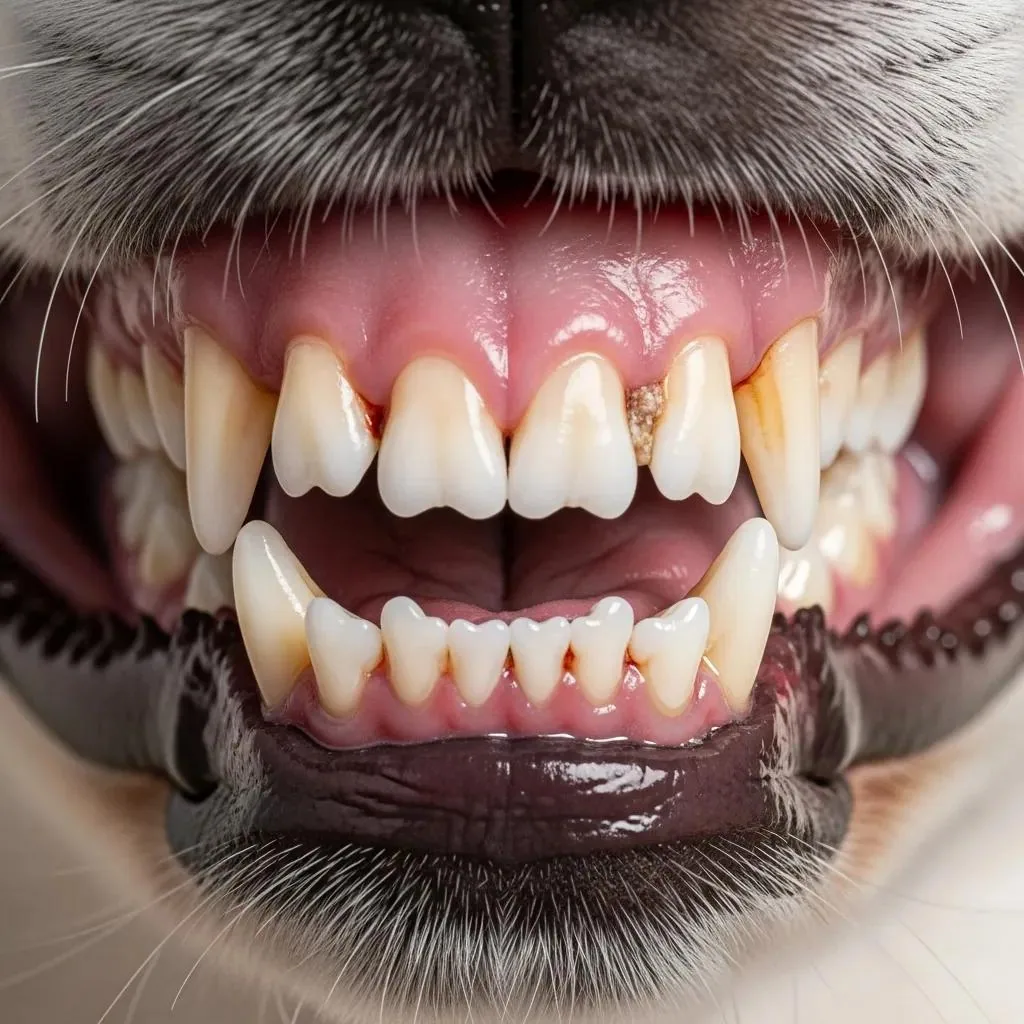
Watch for warning signs so you can get veterinary care promptly. Common indicators include:
Bad Breath: Persistent, strong odor often signals dental disease.
Difficulty Eating: Reluctance to chew, dropping food, or signs of pain when eating.
Swollen Gums: Red or inflamed gums suggest gingivitis or periodontal disease.
If you notice these signs, schedule a dental evaluation to prevent progression.
How Do Professional Veterinary Dental Services at Gregory Veterinary Clinic Protect Your Dog?
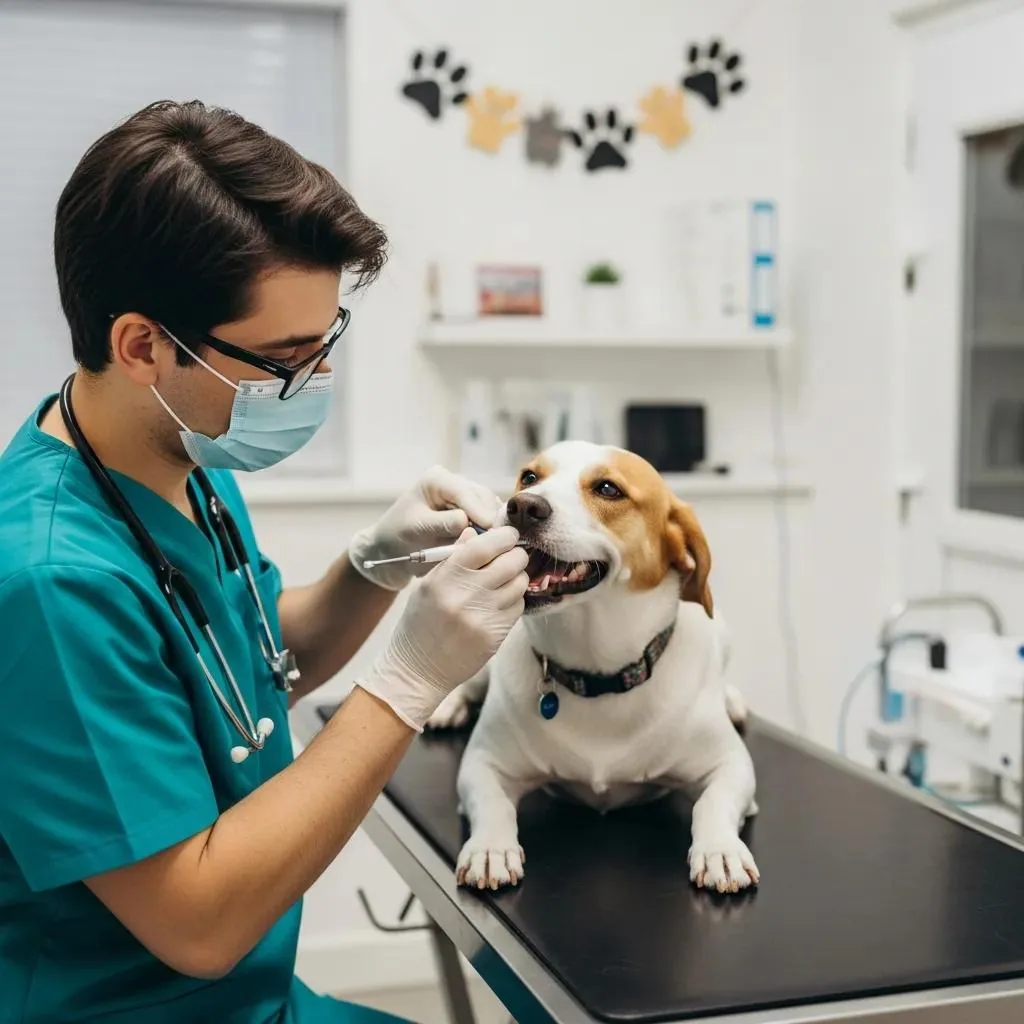
Veterinary dental services at Gregory Veterinary Clinic include a full oral exam, scaling to remove tartar, and polishing to smooth enamel and help prevent rapid re‑accumulation of plaque.
What Does a Professional Dog Dental Cleaning Include?
A typical professional cleaning includes:
Initial Examination: Evaluation of the mouth to identify disease, loose teeth, or areas needing radiographs.
Anesthesia: Safe anesthesia allows thorough cleaning, dental probing, and any required treatment without stress to the dog.
Scaling and Polishing: Ultrasonic or hand scaling removes tartar; polishing reduces surface roughness to slow plaque buildup.
This process both treats existing disease and helps detect problems that require further care.
How Does Preventative Dental Care Reduce Systemic Health Risks?
Preventive dental care—regular cleanings plus home care—limits bacterial entry to the bloodstream and reduces inflammation. Together these measures lower the chance of heart, kidney, or liver complications related to oral disease.
What Home Dental Care Tips Can Help Maintain Your Dog's Oral Health in Tampa Bay?
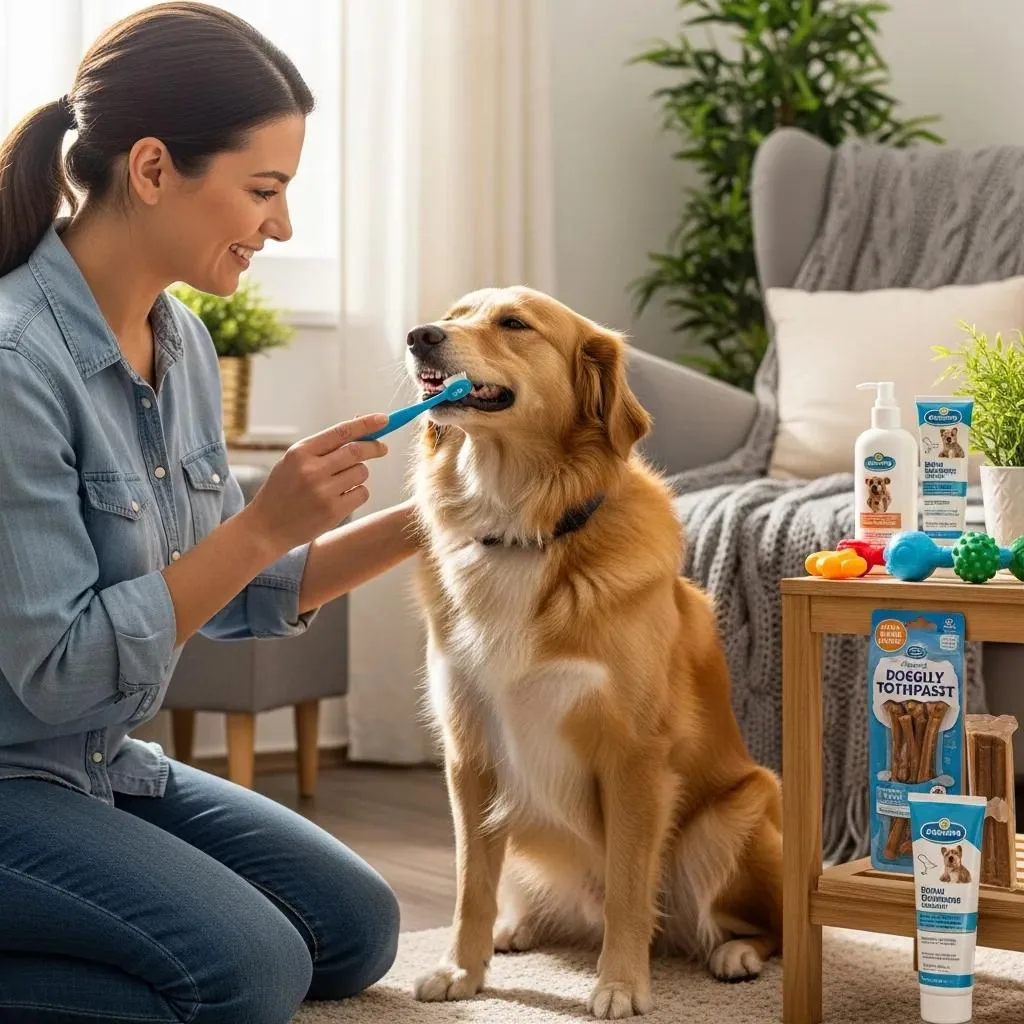
Simple at‑home steps make a big difference and complement professional care. Effective measures include:
Regular Brushing: Aim for brushing most days with toothpaste made for pets.
Dental Chews: Approved chews can help reduce plaque when used appropriately.
Routine Check-ups: Regular veterinary visits let professionals monitor oral health and recommend timing for cleanings.
Consistent home care reduces disease risk and can lower long‑term veterinary costs.
Experts emphasize that consistent home dental care, particularly toothbrushing, is an effective and cost‑efficient method to prevent periodontal disease.
Preventable Dog Periodontal Disease & Home Care Benefits Periodontal disease remains one of the dog's most common health issues, although it is largely preventable by tooth brushing. Implementation of daily toothbrushing would improve animal welfare and reduce veterinary costs for owners. Dental home care in dogs-a questionnaire study among Swedish dog owners, veterinarians and veterinary nurses, KB Enlund, 2020
Which Canine Dental Hygiene Practices Are Recommended by Experts?
Veterinarians advise a combination of daily brushing, regular professional cleanings, and a balanced diet that supports dental health for best results.
Daily Brushing: Most effective for preventing plaque and gingivitis.
Professional Cleanings: Needed periodically based on your dog's risk and age.
Healthy Diet: Diets and products formulated for dental health can help reduce buildup.
Together these practices form a reliable routine to protect your dog's mouth.
What Products Support Effective At-Home Dog Dental Care?
The following products support at‑home dental care:
| Product Type | Description | Benefits |
|---|---|---|
| Dog Toothpaste | Formulated for pets | Safe and effective for cleaning teeth |
| Dental Chews | Chewable treats designed for dental health | Helps reduce plaque and freshen breath |
| Finger Brushes | Soft brushes that fit on your finger | Easy to use for brushing your dog's teeth |
Used correctly, these products support daily care and improve oral hygiene between professional cleanings.
How Can You Schedule and Prepare for Your Dog's Dental Appointment in Carrollwood?
Booking a dental appointment is straightforward and delivers clear benefits. Gregory Veterinary Clinic schedules professional dental cleanings and can advise on timing based on your pet's needs.
What Is the Best Way to Book a Dog Dental Cleaning at Gregory Veterinary Clinic?
Contact Gregory Veterinary Clinic to discuss your dog's history and arrange an appointment. Share any relevant medical information when booking.
How Should You Prepare Your Dog for a Professional Dental Visit?
To prepare for the visit, follow these steps:
Fasting: Follow the clinic's fasting instructions before anesthesia.
Comfort: Bring a familiar blanket or toy to reduce stress.
Health Information: Provide updates about medications, behavior changes, or health concerns.
These steps help ensure a safe, efficient dental procedure.
Frequently Asked Questions
What are the long-term benefits of regular dog dental cleanings?
Regular cleanings prevent periodontal disease and tooth loss, reduce systemic infection risk, and can lower long‑term veterinary costs—supporting a healthier, longer life for your dog.
How often should I schedule professional dental cleanings for my dog?
Most dogs benefit from at least one cleaning per year, but frequency depends on age, breed, and oral health. Your veterinarian will recommend the right schedule.
Can I use human toothpaste for brushing my dog's teeth?
No. Use toothpaste made for pets—human products can contain xylitol or other ingredients toxic to dogs.
What should I do if my dog has bad breath despite regular dental care?
If bad breath persists, arrange a veterinary exam to check for periodontal disease or other underlying issues and begin appropriate treatment promptly.
Are there any specific dog breeds more prone to dental issues?
Small breeds (e.g., Chihuahuas, Dachshunds, Yorkshire Terriers) and brachycephalic breeds (e.g., Bulldogs, Pugs) often have dental conformation that raises risk and benefit from closer monitoring.
What are the signs that my dog may need a dental cleaning?
Persistent bad breath, trouble eating, swollen or bleeding gums, excess drooling, visible tartar, or behavioral changes like reluctance to chew are signs to seek a dental evaluation.
Conclusion
Regular dental cleaning is key to preventing periodontal and systemic disease. Prioritizing dental care improves your dog's comfort and longevity and can reduce future veterinary costs. Schedule a professional dental cleaning at Gregory Veterinary Clinic to ensure comprehensive oral care for your pet.