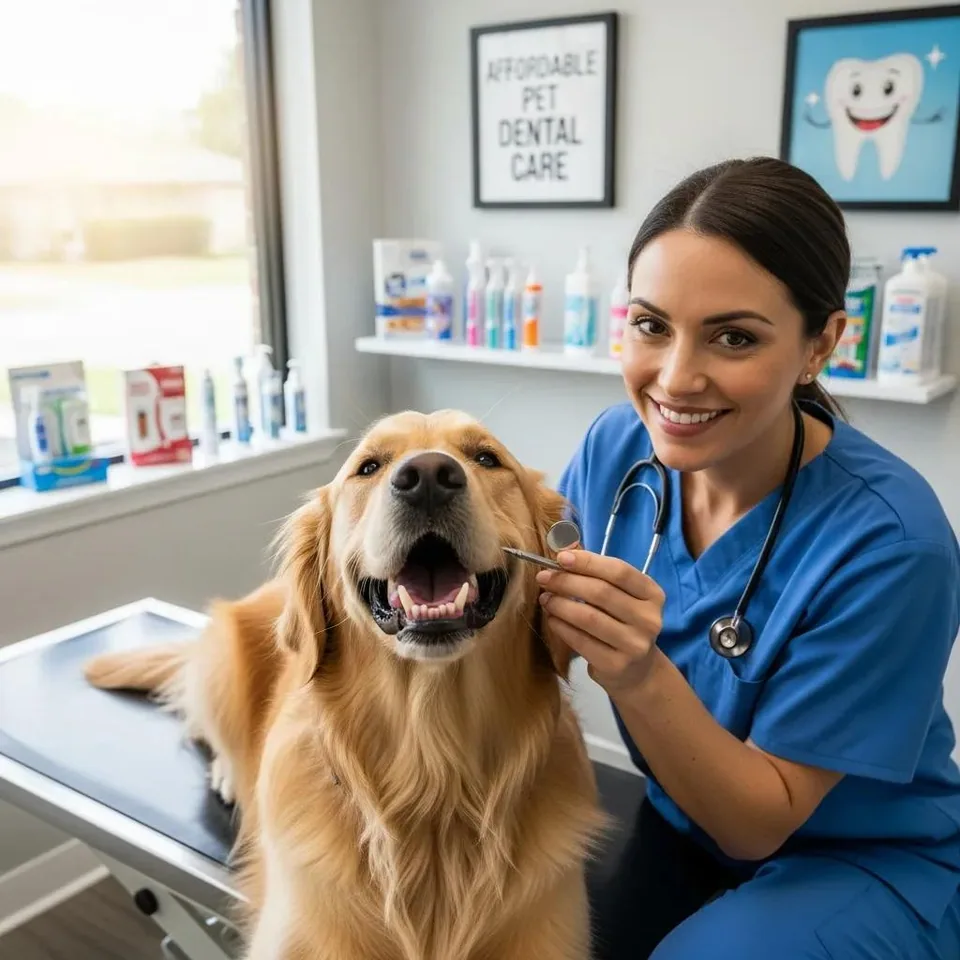




Comprehensive Dental Care for Pets in Carrollwood — Expert Cleanings & Oral Health Solutions
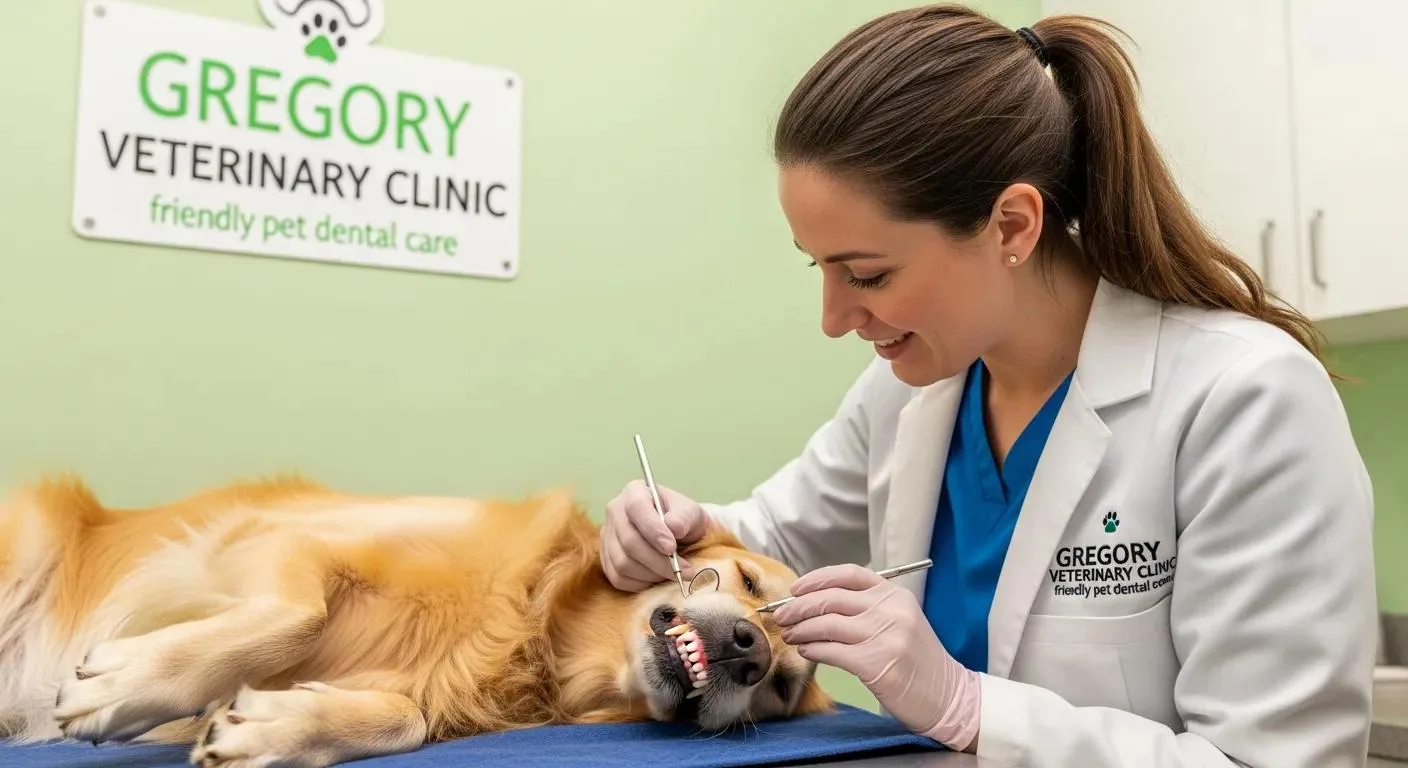
Good dental health helps pets feel their best, but it's one area many pet owners unintentionally overlook. This guide explains why dental care matters for dogs and cats in Carrollwood and highlights the services available at Gregory Veterinary Clinic. You'll learn how to spot dental disease, how oral health affects the rest of the body, what to do at home, and what happens during a professional cleaning and advanced dental procedures. With this knowledge, you can keep your furry family members comfortable and healthy.
Why pet dental care matters for dogs and cats in Carrollwood
Routine dental care prevents the buildup of plaque and tartar that can lead to periodontal disease. Left untreated, dental problems cause pain, loose or lost teeth, and can contribute to infections that affect the heart, liver, and kidneys. Regular check-ups and cleanings are a simple way to protect your pet's comfort and longevity.
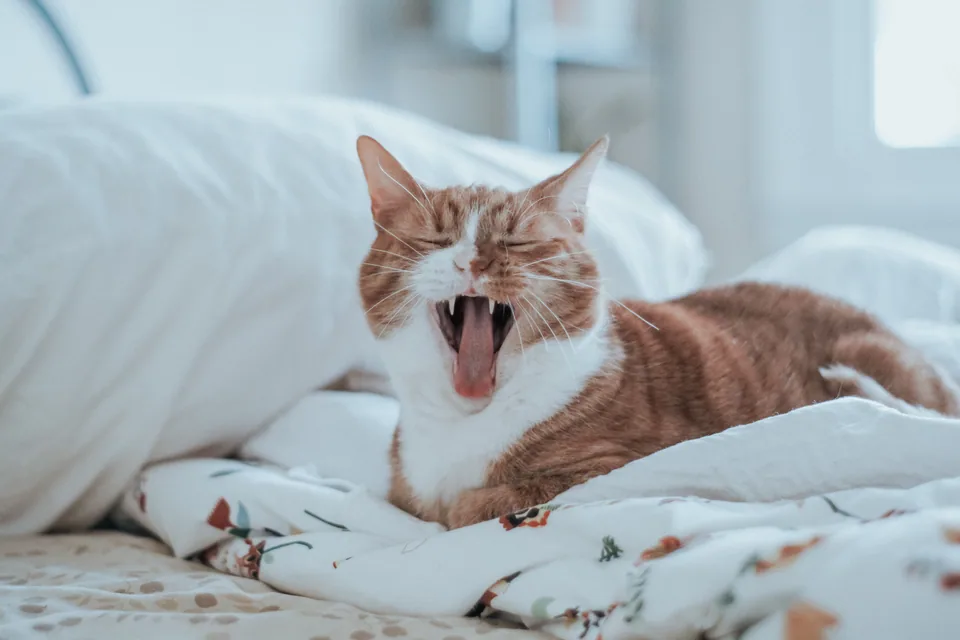
How to spot dental disease in your dog or cat
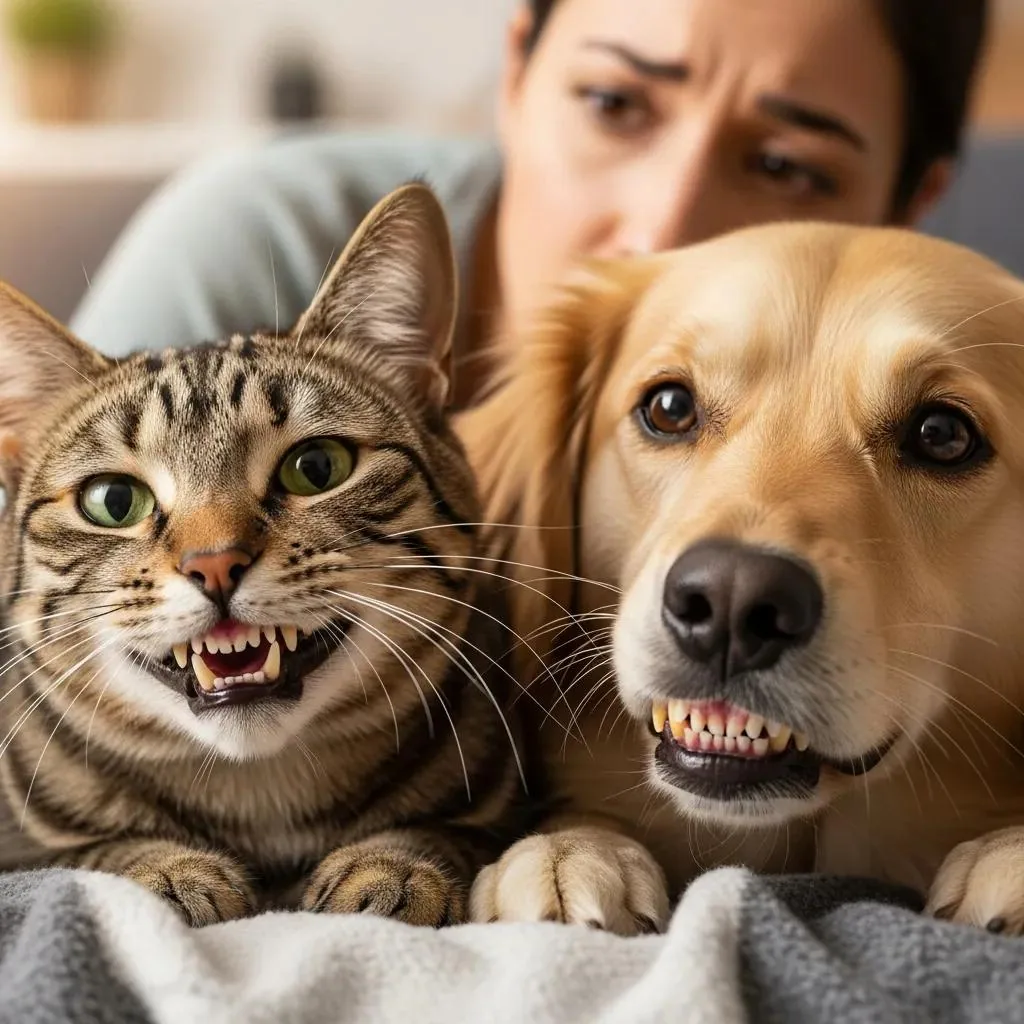
Early detection makes treatment easier. Look for these common signs:
- Persistent bad breath: A strong, ongoing odor often signals plaque, tartar, or infection.
- Discolored teeth: Yellow or brown staining can indicate tartar buildup.
- Changes in eating: Reluctance to eat, dropping food, or chewing on one side can mean dental pain.
Noticing these signs early lets us intervene sooner and avoid more serious problems.
How dental health affects your pet's overall wellness
Oral disease isn't isolated to the mouth. Bacteria from infected gums can enter the bloodstream and place extra strain on organs like the heart and kidneys. Studies show a link between periodontal disease and systemic health issues, so keeping your pet's mouth healthy supports their whole-body wellness and can add to their quality and length of life.
What a professional dental cleaning at Gregory Veterinary Clinic includes
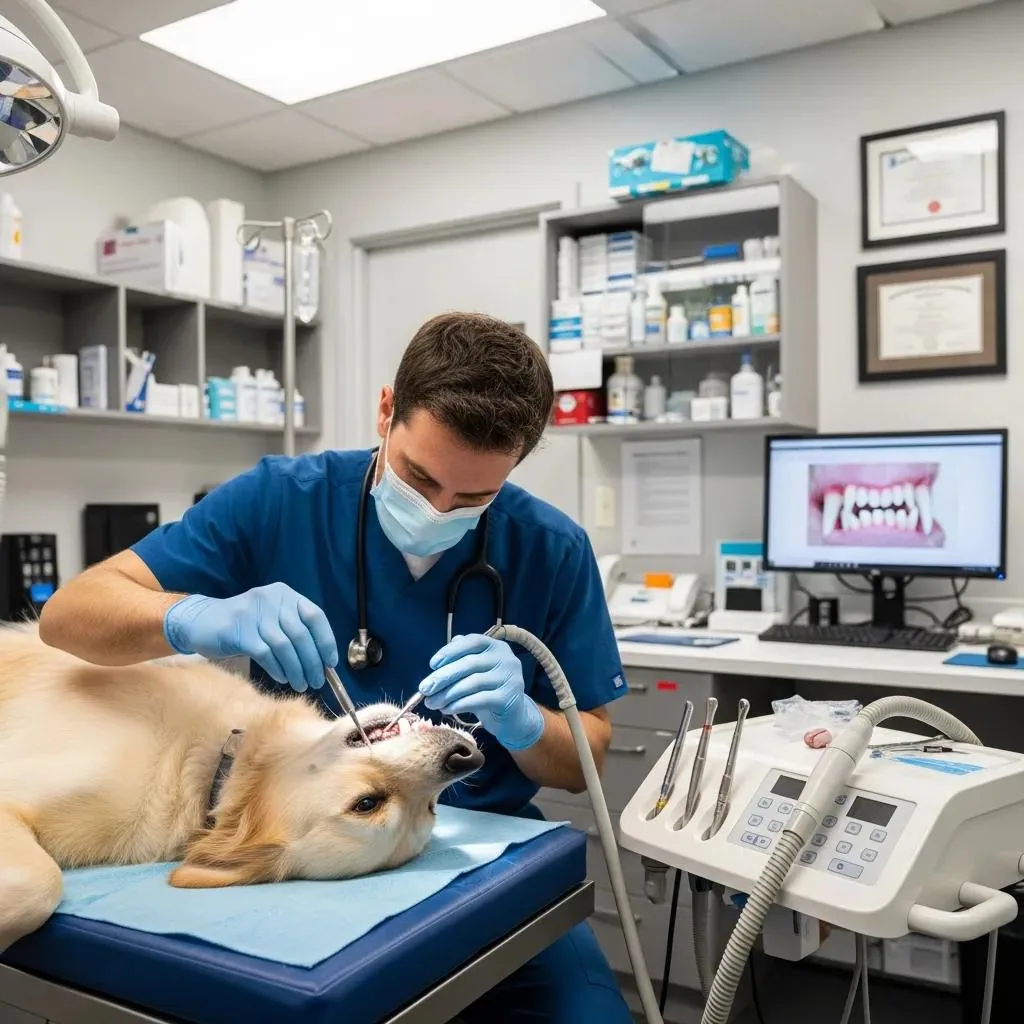
Our dental cleanings combine a careful exam with proven techniques to remove plaque and tartar, treat disease, and protect teeth and gums. These cleanings are an important part of preventing pain and more serious health issues down the road.
How we use anesthesia safely during dental procedures
We use anesthesia to keep your pet comfortable and still during a thorough cleaning. Gregory Veterinary Clinic follows strict safety steps — a pre-anesthetic check, individualized anesthesia plans, and continuous monitoring throughout the procedure — to reduce risk and make the experience as safe as possible.
What to expect during your pet's dental cleaning
Our dental cleaning follows clear, proven steps:
- Initial exam: We inspect the mouth to assess teeth, gums, and any problem areas.
- Scaling: Ultrasonic and hand instruments remove plaque and tartar above and below the gum line.
- Polishing: Teeth are polished to smooth surfaces and slow future plaque buildup.
- Fluoride or sealant: We often apply fluoride or a protective treatment to strengthen enamel and reduce sensitivity.
This full process helps restore and preserve your pet's oral health.
How advanced services like X-rays and oral surgery benefit your pet
Some dental problems aren't visible without imaging or surgery. Advanced services — dental X-rays and oral surgery — let us diagnose hidden issues and treat them properly, improving outcomes and comfort for your pet.
When we recommend dental X-rays for dogs and cats
We recommend dental X-rays when signs point to deeper problems: persistent bad breath, swollen gums, or difficulty eating. X-rays reveal issues below the gum line, including root infections, bone loss, impacted teeth, and other conditions that require targeted treatment.
Oral surgery options at Gregory Veterinary Clinic
Our clinic offers a range of surgical options to address serious dental issues, including:
- Tooth extractions: Removal of broken, loose, or diseased teeth.
- Oral mass removal: Surgical removal of growths inside the mouth.
- Jaw surgery: Repair of fractures or correction of alignment problems when needed.
All procedures are performed by experienced veterinarians with your pet's safety and comfort in mind.
How pet owners can provide effective at-home dental care in Carrollwood
Daily habits at home make a big difference between professional cleanings. A consistent routine reduces plaque and slows disease progression.
Best brushing techniques and products for pets
Brushing is one of the most effective home care steps. Keep it simple:
- Use pet-safe toothpaste: Human toothpaste can be harmful. Use formulas made for animals.
- Pick the right brush: A soft pet toothbrush or finger brush is easier on gums and fits better in their mouth.
- Build a routine: Aim for daily brushing, or at least several times a week, and introduce it gently over time.
Short, consistent sessions with positive reinforcement help pets accept brushing.
Can dental treats and diet help prevent periodontal disease?
Yes. Dental chews and specially formulated diets can reduce plaque and tartar while supporting overall oral health. Combine these products with brushing and regular vet checks to get the best results.
- Dental chews: Help scrub teeth while satisfying the chewing instinct.
- Special diets: Some foods are designed to limit plaque buildup.
- Routine vet visits: Regular exams catch problems early and keep care on track.
Together, these steps reduce the risk of periodontal disease between professional cleanings.
Frequently Asked Questions
What are the long-term effects of neglecting my pet's dental care?
Ignoring dental care can lead to chronic pain, tooth loss, and infections that may spread to other organs. Over time, untreated dental disease can reduce your pet's quality of life and shorten their lifespan. Regular dental care prevents these serious outcomes.
How often should I schedule professional dental cleanings for my pet?
For many pets, an annual professional cleaning is a good starting point. Some animals — based on age, breed, or existing dental disease — may need cleanings more often. Your veterinarian will recommend the best schedule after examining your pet.
Are there risks with dental anesthesia?
Any anesthesia carries some risk, but we take precautions to minimize it: pre-anesthetic screening, tailored anesthetic plans, and constant monitoring during procedures. Discuss your pet's medical history with us so we can plan safely.
My pet has bad breath — what should I do?
Persistent bad breath can be a sign of dental disease or other health issues. Schedule an exam so we can identify the cause and recommend treatment. Early attention often prevents more serious problems.
Can I use a regular human toothbrush for my pet?
It's best to use brushes made for pets. Human toothbrushes can be too large or stiff and may cause discomfort. Pair a pet brush with pet-safe toothpaste for the safest, most effective cleaning.
What signs mean my pet may need oral surgery?
Consider oral surgery if your pet has ongoing bad breath, swollen or bleeding gums, trouble eating, or visible broken or loose teeth. A full veterinary exam — often with X-rays — will determine if surgery is necessary and what type of procedure is best.
How can I help my pet adjust to dental care routines?
Start slowly: let your pet sniff toothpaste and the brush, use short sessions, and reward calm behavior with praise or treats. Gradually increase time and consistency. Gentle, positive training works best.
How common is dental disease among dogs and cats?
Dental disease is very common. Studies show more than 80% of dogs and about 70% of cats have signs of dental disease by age three. Regular home care and professional cleanings greatly reduce the chance of advanced problems.
Is human toothpaste safe for pets?
No. Human toothpaste can contain ingredients like xylitol that are toxic to animals. Always use toothpaste made specifically for pets.
Why choose Gregory Veterinary Clinic for trusted, affordable pet dental care in Carrollwood?
Gregory Veterinary Clinic combines experienced care with a family-owned approach. We focus on clear communication, gentle handling, and individualized treatment plans so pets and their owners feel confident and supported.
What expertise does Dr. Dworkin bring to veterinary dentistry?
Dr. Dworkin has years of experience and focused training in veterinary dentistry. His skills help us diagnose accurately and create treatment plans tailored to each pet's needs.
How does Gregory Veterinary Clinic ensure compassionate and comprehensive care?
We treat every patient like a member of our own family. From preventive advice to advanced dental procedures, our team provides thoughtful, thorough care that builds trust with pet owners across Carrollwood.
Below is a quick comparison to help you understand the main dental services and their benefits.
| Service | Description | Benefit |
|---|---|---|
| Dental Cleaning | Complete cleaning of teeth and gums under anesthesia | Prevents dental disease and relieves pain |
| Dental X-rays | Imaging to evaluate teeth below the gum line | Identifies hidden issues like root infections or bone loss |
| Oral Surgery | Surgical treatment for severe dental problems | Resolves painful or dangerous conditions |
Conclusion
Your pet's mouth is a window to their overall health. Prioritizing dental care — at home and with professional cleanings at Gregory Veterinary Clinic — prevents pain and protects long-term wellness. Our team offers the expertise, compassion, and advanced care to keep your pet smiling. Schedule a dental check-up today to give your companion a healthier tomorrow.