



Why Pet Dental Care Matters for Your Pet's Health — Understanding Oral Health and Veterinary Dental Services in Tampa
Dental care is one of the most important — and often overlooked — parts of keeping your pet healthy. Studies show many cats and dogs develop dental disease, and when left untreated those problems can lead to pain and even affect other organs. This article explains why dental health matters, how to spot trouble early, and what veterinary dental services are available in Tampa, including care at Gregory Veterinary Clinic. With a little knowledge and regular care, you can help your companion stay comfortable, eat well, and enjoy a better quality of life. We'll walk through common signs of dental disease, the benefits of professional cleanings, simple at-home steps, and what to expect cost-wise for dental care.
What are the key signs of dental disease in pets?
Spotting dental disease early makes treatment simpler and less stressful for your pet. Look for persistent bad breath, trouble eating, excessive drooling, pawing at the face, or heavy tartar on the teeth. Conditions like gingivitis and periodontal disease cause pain and can affect your pet's appetite and behavior. Left unchecked, infections in the mouth can spread elsewhere in the body — so early recognition and treatment are important for overall health.
How to recognize symptoms of periodontal disease and gingivitis in dogs and cats
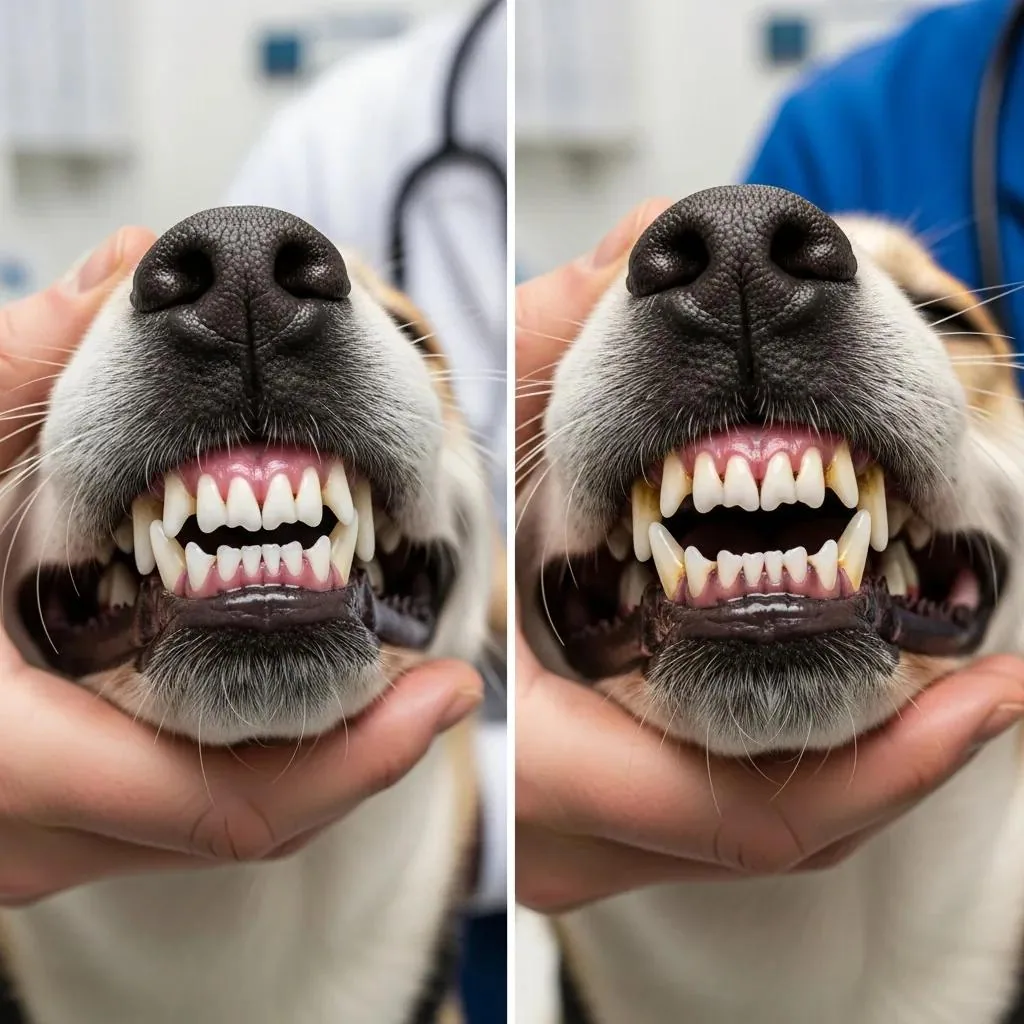
Periodontal disease and gingivitis are common and often painful. Watch for these signs:
- Bad breath: A persistent, foul odor usually means bacteria and plaque are present.
- Red or swollen gums: Healthy gums are pink; red, puffy, or bleeding gums signal inflammation.
- Difficulty eating: Chewing slowly, dropping food, or avoiding dry kibble can indicate mouth pain.
- Drooling or pawing at the mouth: These behaviors often mean your pet is uncomfortable.
Noticing these signs early leads to quicker treatment and less discomfort for your pet.
What are common dental problems affecting pet oral health?
Pets can develop a range of dental issues, including:
- Tartar buildup: Hardened plaque that irritates gums and promotes disease.
- Tooth decay: Less common than in people but can cause pain and infection in pets.
- Fractured teeth: Broken teeth are painful and may require repair or extraction.
- Oral tumors: Any unusual lumps or sores in the mouth should be checked right away.
Knowing these problems helps you take preventive steps and seek timely veterinary care.
How do professional pet dental cleanings protect your pet's health?
Professional dental cleanings remove plaque and tartar below the gumline where brushing can't reach, slowing or stopping the progression of dental disease. Cleanings are done under general anesthesia so the veterinarian can thoroughly examine the mouth, take dental X‑rays if needed, and treat issues safely. A complete dental procedure improves comfort and can protect your pet's long-term health.
What is the step-by-step process of a veterinary dental cleaning at Gregory Veterinary Clinic?
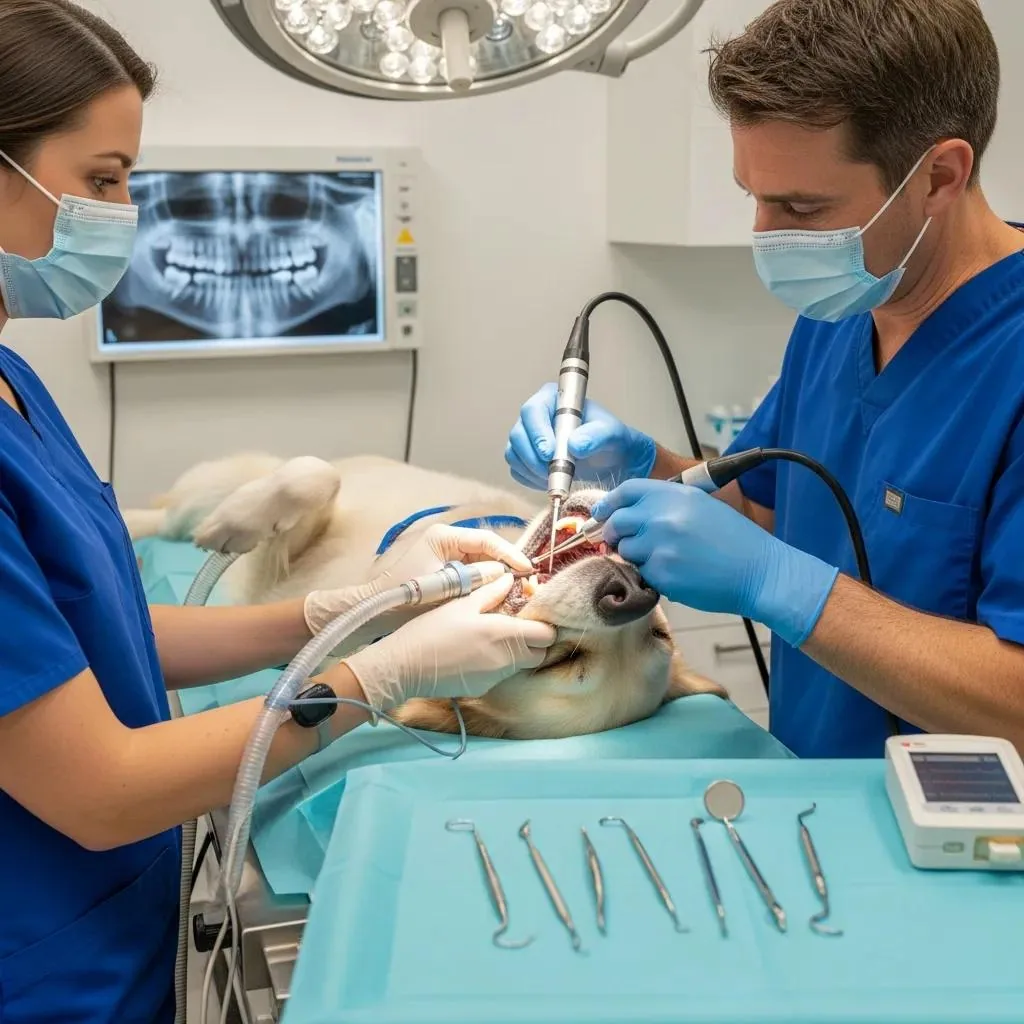
At Gregory Veterinary Clinic, our dental cleanings follow a careful, humane process:
- Pre-cleaning assessment: We examine the mouth and often take dental X-rays to see what's happening under the gumline.
- Anesthesia administration: General anesthesia keeps your pet calm and still so we can work safely and thoroughly.
- Scaling and polishing: We remove plaque and tartar with ultrasonic and hand tools, then polish the teeth for a smooth finish.
- Additional treatments: If needed, we perform extractions or other procedures to address dental disease.
This step-by-step approach helps ensure the best outcome and the least discomfort for your pet.
Why is anesthesia important for thorough pet dental procedures?
Anesthesia allows veterinarians to fully examine and treat the mouth without causing stress or pain. It also makes it possible to take X‑rays and perform extractions or repairs accurately. We follow safety protocols — including pre-anesthetic assessments and continuous monitoring — to keep your pet safe throughout the procedure.
What are the benefits of regular cat and dog dental care?
Routine dental care prevents disease, reduces pain, and supports your pet's ability to eat and play comfortably. Healthy mouths mean happier pets and fewer emergency visits. Regular care also protects other organs by reducing the risk that oral bacteria will enter the bloodstream.
How does preventing dental disease improve your pet's quality of life?
Keeping teeth and gums healthy helps pets eat without pain, stay active, and behave like themselves. When oral discomfort is removed, pets often have better energy, appetite, and mood — which makes life better for both pets and their people.
What is the link between pet oral health and systemic organ protection?
Oral bacteria from untreated dental disease can travel through the bloodstream and affect organs like the heart, liver, and kidneys. Regular dental care lowers that risk, helping protect your pet's long-term health and potentially extending their lifespan.
How can pet owners maintain effective at-home dental care?
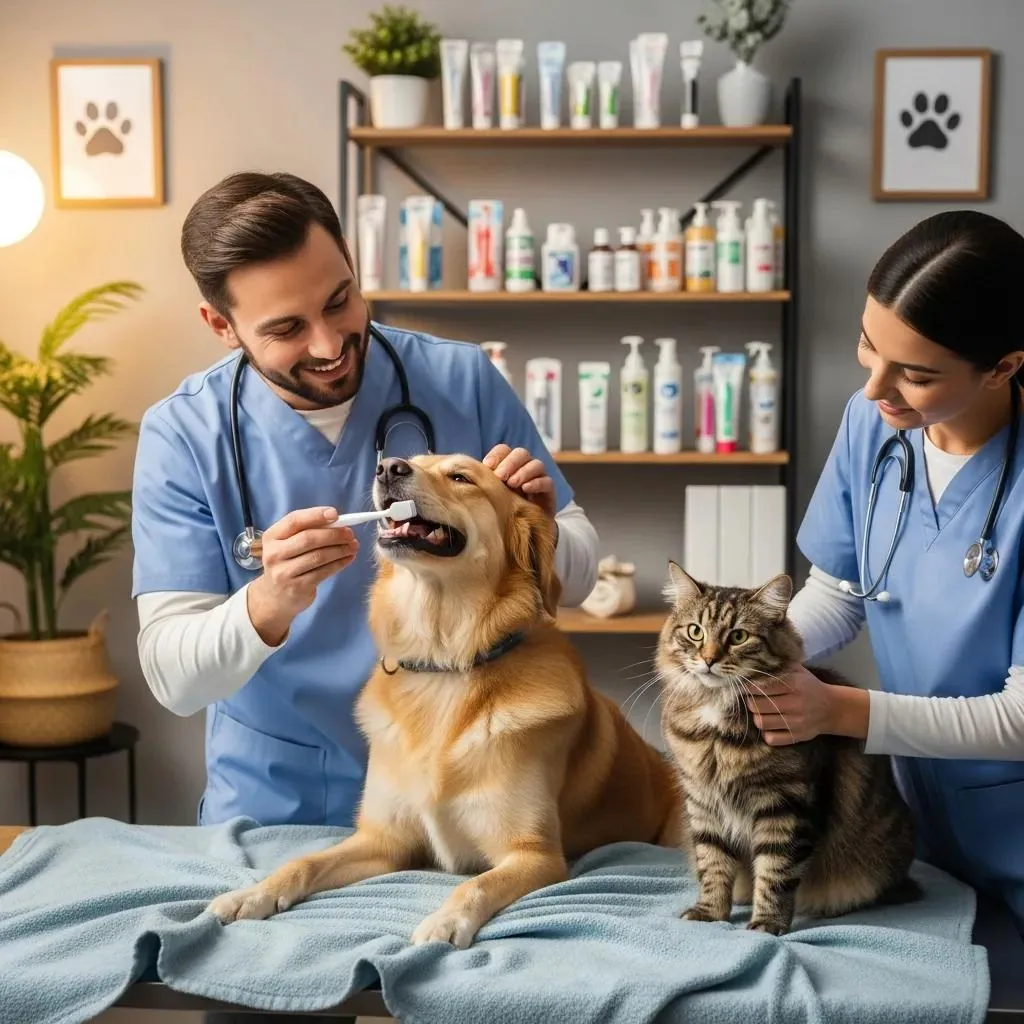
Home care is the foundation of good oral health between vet visits. Simple, consistent steps make a big difference: brush regularly, use vet-approved products, and offer dental-friendly treats and toys.
What are the best tooth brushing techniques for dogs and cats?
Make tooth brushing a gentle, positive routine. Tips that help:
- Use pet-safe toothpaste: Human toothpaste can be harmful — choose formulas made for animals.
- Choose the right brush: A soft-bristled toothbrush or finger brush is usually easiest for pets.
- Establish a routine: Aim for daily brushing, or at least several times a week, and build up slowly to keep it stress-free.
Consistent, patient practice makes brushing easier for both you and your pet.
Which dental diets, chews, and water additives support pet oral hygiene?
Along with brushing, these products can help control plaque and freshen breath:
- Dental chews: Designed to mechanically reduce plaque while giving pets a tasty reward.
- Specialized diets: Certain foods are formulated to reduce plaque and promote gum health.
- Water additives: Easy to use — these help limit bacteria and keep breath fresher between brushings.
Ask us which products match your pet's needs and preferences.
What should Tampa pet owners know about dog teeth cleaning cost and veterinary dental services?
Costs vary depending on the procedure's complexity and your pet's needs. Knowing typical price ranges and what's included helps you plan and prioritize care.
How does Gregory Veterinary Clinic provide comprehensive and compassionate dental care?
Gregory Veterinary Clinic blends clinical expertise with a family-owned approach. Our team gives each pet individualized attention and explains options clearly so you can make confident choices. We focus on safety, comfort, and long-term health for every patient.
What goes into the cost and value of a professional pet dental cleaning in Tampa?
The cost of a professional dental cleaning depends on your pet's size, what the oral exam finds, and whether extractions or X‑rays are needed — which is why we quote each dental for the individual pet after an exam. While it is an upfront investment, regular cleanings can prevent larger, more expensive health problems later — and keep your pet more comfortable.
Why choose Gregory Veterinary Clinic for your pet's dental health needs?
Choosing a veterinary partner you trust matters. Gregory Veterinary Clinic offers skilled care plus the personal touch of a family-run practice, so your pet gets expert treatment in a compassionate setting.
What specialized expertise does Dr. Carly Dworkin bring to veterinary dentistry?
Dr. Carly Dworkin has focused training and practical experience in veterinary dentistry. Her knowledge helps the clinic provide precise, effective dental care tailored to each pet's situation, from routine cleanings to more complex procedures.
How does Gregory Veterinary Clinic's family-owned care enhance pet dental services?
As a family-owned practice, we prioritize warm, respectful care and clear communication. That personal approach builds trust and ensures pets and owners feel supported through diagnosis, treatment, and follow-up care.
Frequently Asked Questions
What are the long-term effects of neglecting pet dental care?
Ignoring dental care can cause chronic pain, tooth loss, and oral infections that may spread to vital organs like the heart and kidneys. Over time, these issues can lower your pet's quality of life and shorten their lifespan. Regular dental exams and cleanings are a key preventive step.
How often should I schedule professional dental cleanings for my pet?
Many pets benefit from a professional cleaning at least once a year, but needs vary by age, breed, and oral health. Some animals require more frequent care. Your veterinarian will recommend a schedule based on your pet's specific situation.
What are the risks associated with anesthesia during dental procedures?
Anesthesia always carries some risk, especially for pets with underlying health conditions. We reduce risk with pre-anesthetic testing, careful dosing, and close monitoring during the procedure. For most pets, the benefit of a thorough dental cleaning outweighs the risks — but discuss any concerns with your veterinarian.
Can dental problems in pets lead to behavioral changes?
Yes. Dental pain can make pets irritable, withdrawn, or less active, and they may avoid hard food or show changes in appetite. Treating dental issues often improves behavior, comfort, and overall wellbeing.
What should I do if I notice dental issues in my pet?
If you see bad breath, swollen gums, bleeding, broken teeth, or trouble eating, schedule a veterinary appointment promptly. Early intervention prevents progression and makes treatment easier and less stressful.
Are there specific breeds that are more prone to dental issues?
Certain breeds are more likely to have dental problems. Small breeds (like Chihuahuas and Dachshunds) often have crowded teeth, while brachycephalic breeds (like Bulldogs and Pugs) can have misaligned teeth. These pets benefit from closer dental monitoring and preventive care.
How can I encourage my pet to accept dental care at home?
Start slowly and pair brushing with praise and treats so your pet builds a positive association. Introduce the toothbrush and toothpaste in short, calm sessions, then gradually increase the time. Dental chews and toys can help bridge the gap while you establish a routine.
Conclusion
Dental care is a vital part of keeping your pet healthy and comfortable. Regular professional cleanings combined with consistent at-home care can prevent serious problems and help your pet live a longer, happier life. At Gregory Veterinary Clinic, we provide thoughtful, expert dental care tailored to your pet's needs. Schedule an appointment today to protect your pet's smile and overall health.