



Most vaccine confusion comes from one thing: the list is not the same for every pet. A cat who never leaves a Carrollwood condo and a dog who swims in a retention pond off Dale Mabry have very different risks, and their vaccine plans should look different too. Florida adds its own wrinkles. Our mosquito and flea season never ends, standing water sits around for weeks after a summer storm, and rabies vaccination is written into state law rather than left to preference.
Here is what the schedule actually looks like, what each vaccine is for, and which questions your veterinarian will ask before deciding.
Core vaccines vs. non-core: what the difference means
Core vaccines are recommended for essentially every dog or cat, regardless of lifestyle. The diseases they prevent are widespread, severe, or transmissible to people.
For dogs, core means rabies plus the combination shot usually labeled DHPP or DAPP, which covers distemper, adenovirus (hepatitis), parainfluenza, and parvovirus. For cats, core means rabies plus FVRCP, covering feline viral rhinotracheitis, calicivirus, and panleukopenia.
Non-core vaccines are recommended based on where your pet goes and what they do. Leptospirosis, Bordetella, canine influenza, Lyme, and feline leukemia all sit in this group. They are matched to exposure, which is why we ask about boarding, grooming, dog parks, travel, and whether your cat goes outside at all.
The puppy vaccine schedule
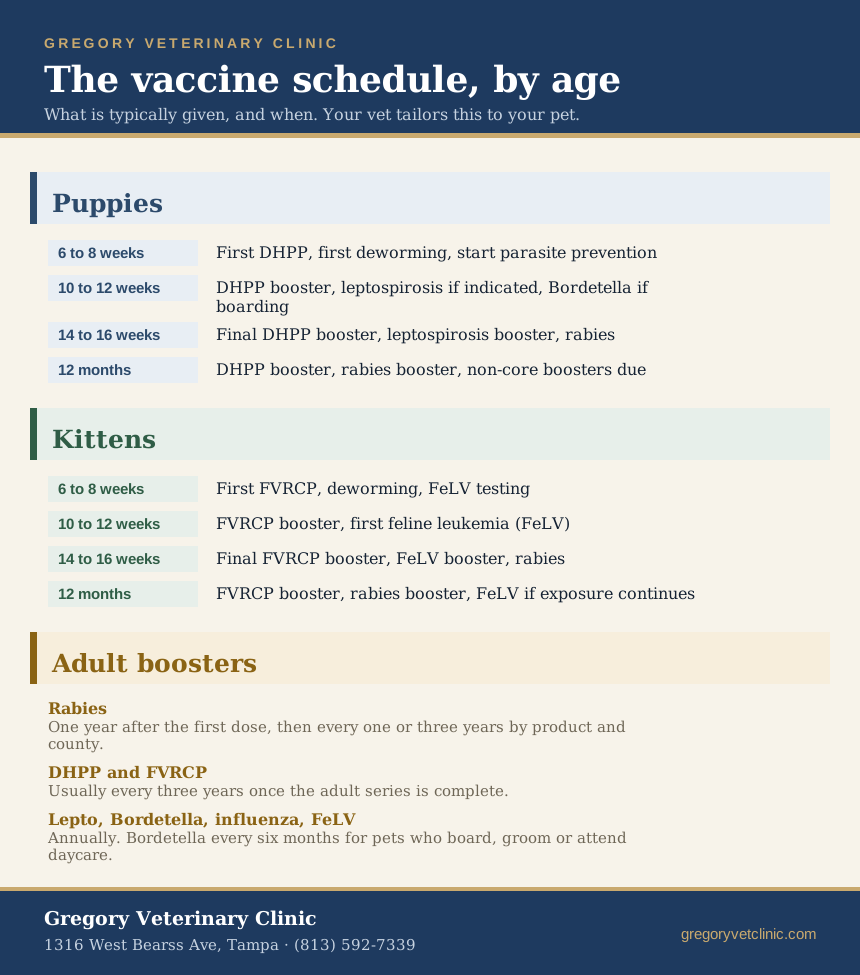
Puppies get a series rather than a single shot. Antibodies from mom interfere with the vaccine early on, and there is no way to know the exact week that protection fades, so we repeat doses until the puppy is old enough to respond reliably.
| Age | Typically given |
|---|---|
| 6 to 8 weeks | First DHPP; first deworming; start parasite prevention |
| 10 to 12 weeks | DHPP booster; leptospirosis if indicated; Bordetella if boarding or grooming is planned |
| 14 to 16 weeks | Final DHPP booster; leptospirosis booster; rabies |
| 12 months | DHPP booster, rabies booster, and any non-core boosters due |
The last DHPP dose needs to land at or after 16 weeks. A puppy who finished the series at 12 weeks is not fully covered, which is one of the most common gaps we find when families transfer records to us from out of state.
The kitten vaccine schedule
| Age | Typically given |
|---|---|
| 6 to 8 weeks | First FVRCP; deworming; FeLV testing |
| 10 to 12 weeks | FVRCP booster; first feline leukemia (FeLV) vaccine |
| 14 to 16 weeks | Final FVRCP booster; FeLV booster; rabies |
| 12 months | FVRCP booster, rabies booster, FeLV booster if the cat still has exposure |
The American Association of Feline Practitioners recommends the FeLV vaccine for all kittens, even indoor ones, because kittenhood is when cats are most susceptible, and plenty of indoor kittens grow into cats who slip out a door. After the first year, we reassess based on whether the cat has real exposure to other cats.
What adult dogs and cats need, and how often
Adult boosters are less frequent than most owners expect. The typical rhythm:
- Rabies: boostered one year after the initial dose, then every one or three years depending on the product used and county requirements.
- DHPP and FVRCP: usually every three years once the adult series is complete.
- Leptospirosis, Bordetella, canine influenza, FeLV: annually, and Bordetella sometimes every six months for dogs who board, groom, or attend daycare frequently.
Your veterinarian may extend or shorten any of these based on your pet's age, health history, and previous vaccine reactions. A 13-year-old cat with kidney disease and a 3-year-old dog who hikes every weekend do not get the same plan.
The Florida risks that change the list
Leptospirosis. Lepto spreads through the urine of wildlife and rodents, and it survives in warm standing water. Between our rainy season, retention ponds, and the raccoons and opossums that live comfortably in Tampa neighborhoods, exposure here is not limited to rural dogs. Lepto can also infect people, and it has moved close to core status for most Florida dogs.
Canine influenza. Tampa Bay saw an H3N2 outbreak in 2024 that moved quickly through boarding facilities, groomers, and daycares. If your dog spends time around other dogs, this vaccine is worth a conversation.
Year-round parasite season. Vaccines do not protect against heartworm, fleas, or ticks. Those need separate monthly or injectable prevention, all 12 months, which we cover in our guide to heartworm and parasite prevention in Tampa.
Rabies, by law. Florida requires rabies vaccination for every dog, cat, and ferret 4 months and older, administered by a licensed veterinarian. Hillsborough County ties its pet license to proof of that vaccine, and a current rabies certificate is what protects your pet from a mandatory quarantine if a bite is ever reported. Boarding facilities, groomers, and apartment complexes will ask for it too.
What to expect at the visit and afterward
A vaccine appointment is really a wellness exam with vaccines attached. We weigh your pet, check teeth, ears, skin, heart, and lungs, review parasite prevention, and then give only what is due. That exam is often where we catch something early, which is a large part of why we prefer not to run drive-through vaccine clinics.
Mild soreness, a quiet evening, or a low appetite for a day is normal. Call us right away if you see facial swelling, hives, repeated vomiting, or trouble breathing, which are uncommon but need prompt attention. If your pet has reacted before, tell us before the appointment. We can pre-treat, split the visit across two days, or adjust the schedule.
For anything outside routine preventive care, we coordinate referrals to trusted veterinary specialists in the Tampa area.
Frequently asked questions
Does my indoor cat really need vaccines?Yes, at minimum rabies and FVRCP. Rabies is a legal requirement in Florida regardless of lifestyle, panleukopenia is hardy enough to travel indoors on shoes and clothing, and indoor cats still need protection for vet visits, boarding, and the day a door gets left open.
How much do pet vaccinations cost in Tampa?Costs vary by which vaccines are due and whether an exam is included. Call us or ask at your visit and we will give you the specific numbers for your pet's age and plan, with no surprises at checkout.
What happens if we miss a booster?For most adult pets, a short lapse means one catch-up dose. A longer lapse, or a missed puppy or kitten series, may mean restarting a two dose series. Bring your records and we will tell you exactly where you stand.
Are three year vaccines better than annual ones?They are not stronger. They are simply labeled and studied for a longer duration of protection. Which one your pet receives depends on the product, their vaccine history, and county requirements.
My puppy is not fully vaccinated. Can we socialize?Yes, carefully. Socialization windows close early, so choose controlled settings with known, vaccinated dogs and avoid dog parks and pet store floors until the series is done. Our new puppy and kitten checklist walks through first year timing in more detail.
Ready to get your pet current?
Bring whatever records you have, including anything from a breeder, shelter, or previous clinic. We will build a schedule that fits your pet's actual life in Carrollwood and North Tampa, not a generic list.
Request an appointment with Gregory Veterinary Clinic, or call us and we will find a time that works.